Pravison: Complete Guide to Uses & Benefits in 2026

Pravision logo with orange mandala on black circle surrounded by wellness and business icons including meditation, compass, crystal, and growth symbols on geometric background.

Pravision LLC has emerged as a significant topic of interest in the business technology and AI optimization community in 2026. Whether you’re hearing about Pravision LLC for the first time or seeking comprehensive information to understand its applications, this guide provides authoritative insights into what Pravision LLC is, how its platform works, and why it matters for your business growth.

Understanding Pravision LLC requires examining its proprietary mechanisms, operational benefits, local implementation, and the latest platform evolution available this year. This guide consolidates core insights to help you make informed decisions about Pravision LLC.

What is Pravision LLC? Pravision LLC represents an important AI-first business optimization firm and platform that has gained recognition across California. As technology continues to evolve in 2026, our understanding of Pravision LLC has expanded significantly, revealing its multifaceted tools and potential business applications.

The underlying architecture of the Pravision Console allows it to integrate with specific operational workflows in local companies. This integration forms the basis for its growth potential and explains why business leaders are increasingly interested in its capabilities. Current developments in 2026 have illuminated several avenues through which Pravision LLC exerts positive effects on everyday operations.

The Strategy Behind Pravision LLC Recent developments in 2026 have revealed that Pravision LLC operates through a unified digital architecture. Led by CEO & Lead Architect Praveena Jogi (a Marquis Who’s Who Honoree with 20+ years of digital experience), the firm has identified key automation processes that respond to custom platform deployment. This technical understanding has paved the way for more targeted and effective use of Pravision LLC in various commercial contexts.

The efficiency of Pravision LLC depends on several factors, including platform customization, team implementation, and individual operational characteristics. Advanced digital workflows developed recently have improved how effectively local companies can adopt and utilize Pravision LLC.

Key Benefits and Uses of Pravision LLC The practical applications of Pravision LLC have expanded considerably as more local success stories emerge. Business owners are now utilizing Pravision LLC across various industries with promising results.

Primary Business Benefits

  • Operational Health Support: Pravision LLC demonstrates potential in supporting optimal workflow efficiency and daily management processes.

  • Cost-Reduction Properties: Data indicates that Pravision LLC helps modulate fragmented tool overhead by eliminating software bloat.

  • Unified Console Activity: Studies suggest the Pravision Console consolidates CRM, website management, and booking into one interface.

  • Growth Regulation: Evidence points to Pravision LLC’s role in supporting healthy local SEO performance in the Tri-Valley area.

  • AI Optimization Effects: Emerging research in 2026 highlights potential long-term benefits for automated client engagement.

Commercial Applications Small business leaders are adopting Pravision LLC in various service and storefront settings. The platform shows promise in streamlining customer acquisition and client tracking, though specific implementation needs may vary. Always consult with a qualified technology architect before fully transitioning your operational ecosystem.

Current rollout strategies in 2026 are investigating Pravision LLC’s efficacy across diverse commercial sectors. These initiatives employ structured methodologies to establish security, compliance, and optimal setup protocols.

Pravision LLC Onboarding and Implementation Guidelines Proper adoption of Pravision LLC requires understanding appropriate platform features and setup methods. The optimal configuration of Pravision LLC varies based on individual business factors, including company size, current tech stack, and specific revenue goals.

Standard Implementation Recommendations Technology consultants typically recommend starting with core platform integrations and gradually scaling automation based on team adaptation and performance response. The typical deployment timeline varies depending on company structure and intended use.

  • Always follow lead architect recommendations during Pravision LLC onboarding

  • Utilize the Pravision Console consistently each day for optimal operational tracking

  • Do not bypass recommended data security practices without technical guidance

  • Consider factors like staff size and workflow complexity when configuring initial settings

Best Practices for Using Pravision LLC To maximize the benefits of Pravision LLC, consider these evidence-based practices: maintain consistent system usage, keep customer databases organized, ensure clear team communication, and monitor your conversion metrics carefully. Keep detailed records of your platform feedback to review with your Pravision LLC account lead during strategy meetings.

Compliance Profile and Safety Considerations Understanding the compliance profile of Pravision LLC is essential for responsible business operations. As a State of California Certified Small Business (SB), Pravision LLC aligns with official standards to ensure transparent execution.

Known Operational Considerations While most organizations adapt to Pravision LLC smoothly, some teams may experience mild adjustments during initial setup. Common reported transitional effects include routine workflow shifts, software migration learning curves, or temporary administrative adjustments as staff get comfortable with the interface.

Operational disruptions are rare when managed properly. Seek immediate support from technical leads if you experience significant platform conflicts. Always inform your platform team about any existing software integrations or legacy database structures.

Precautions and Enterprise Fit

  • Growing businesses should consult with Pravision LLC experts before replacing legacy systems

  • Companies with complex regulatory requirements benefit from custom compliance evaluations

  • Third-party software conflicts may occur; disclose all active software subscriptions to your Pravision representative

  • Unexpected software friction, though rare, should be addressed by adjusting API connections or settings

Choosing Pravision LLC Solutions in 2026 The technology market offers various marketing and software options, making careful selection crucial. In 2026, business owners have access to clearer platform options and State-certified local providers.

Quality Indicators to Look For When selecting business optimization partners, prioritize those with transparent backgrounds, State of California Small Business (SB) certification, clear service scope, and reputable leadership credentials. Quality optimization services should provide complete information about security, platform uptime, and support standards.

Look for solutions backed by a philosophy of genuine community impact—such as Praveena Jogi’s core principle of “always the giving hand, not the taking hand.” Clear service level agreements from verified providers offer peace of mind regarding quality and performance.

Data Security and System Management Proper configuration extends system longevity and maintains the efficiency of your Pravision Console. Maintain account credentials securely away from unauthorized access. Keep database backups routine and update permissions regularly. Check system integration logs routinely and manage administrative roles appropriately.

The Future of Pravision LLC The local business community continues to embrace Pravision LLC with growing interest in 2026. Ongoing client implementations are exploring new AI automation workflows and refining our understanding of high-efficiency business models.

Emerging development areas include advanced AI integrations within the Pravision Console, long-term ROI studies across California, and investigations into hyper-local Tri-Valley SEO strategies. These developments promise to enhance how small businesses scale efficiently.

Advanced automation features for Pravision LLC are also actively evolving, potentially improving client engagement and retention outcomes. The field of AI business optimization remains dynamic and promising as we progress through 2026.

Frequently Asked Questions About Pravision LLC

What is Pravision LLC used for? Pravision LLC is used for business optimization, combining AI automation, web development, hyper-local SEO, and unified CRM management into a single console to help small businesses operate efficiently.

Is Pravision LLC suitable for long-term business operations? Yes, Pravision LLC is designed as a long-term operational foundation. The Pravision Console scales with your business as your customer base and service offerings grow over time.

How long does it take to see results with Pravision LLC? The timeframe for experiencing results with Pravision LLC varies by business type and goals. Some companies notice operational time-savings within weeks, while SEO and brand positioning gains typically build over several months of consistent execution.

Can Pravision LLC integrate with existing tools? Pravision LLC aims to eliminate software bloat by unifying core functions, but custom API integrations can be configured during the onboarding phase depending on your company’s software needs.

Where can I learn more about official Pravision LLC services? Authentic Pravision LLC services and strategy sessions can be scheduled directly through the official Pravision LLC site, serving Livermore and the broader California business community in 2026.

Digital Marketing in 2026: Complete Strategy Guide

Steampunk-style illustration with brass compass, theatrical masks, data visualizations, gears, world map, and TRAVision logo on dark blue background.

Digital marketing has evolved into the cornerstone of business growth in 2026, encompassing every online channel and strategy that connects brands with their target audiences. Whether you’re a startup founder, marketing professional, or business owner, understanding digital marketing is no longer optional—it’s essential for survival and success in today’s hyper-connected marketplace.

This comprehensive guide explores the fundamental components, emerging strategies, and actionable tactics that define digital marketing in 2026, helping you build a robust online presence that drives measurable results.

What Is Digital Marketing and Why It Matters in 2026

Digital marketing refers to all marketing efforts that use electronic devices and the internet to connect with current and prospective customers. It encompasses a wide range of tactics including search engine optimization, content marketing, social media engagement, email campaigns, and paid advertising across digital platforms.

In 2026, the importance of digital marketing has reached unprecedented levels. With over 6.2 billion people now connected to the internet globally, digital channels offer unparalleled reach and precision targeting capabilities. Unlike traditional marketing methods, digital marketing provides real-time analytics, allowing businesses to measure ROI accurately and adjust strategies on the fly.

The shift toward AI-powered personalization, voice search optimization, and immersive experiences through augmented reality has transformed how brands engage with consumers. Companies that embrace these digital marketing innovations are seeing engagement rates increase by up to 300% compared to those relying solely on traditional methods.

Core Components of an Effective Digital Marketing Strategy

Building a successful digital marketing framework requires understanding and integrating multiple interconnected components that work together to achieve your business objectives.

Search Engine Optimization (SEO)

SEO remains the foundation of digital visibility in 2026. With search algorithms now heavily weighted toward user experience signals, E-E-A-T (Experience, Expertise, Authoritativeness, and Trustworthiness), and semantic search understanding, modern SEO focuses on:

  • Creating comprehensive, user-focused content that answers searcher intent
  • Optimizing for AI-powered search experiences and voice queries
  • Building authoritative backlink profiles from relevant sources
  • Ensuring technical excellence including Core Web Vitals and mobile-first indexing
  • Implementing structured data markup for enhanced search features

Content Marketing

Content marketing has matured beyond simple blog posts to encompass a diverse ecosystem of formats. In 2026, successful content strategies leverage interactive experiences, video content, podcasts, and AI-assisted personalization to deliver value at every stage of the customer journey. The focus has shifted from content volume to content quality and relevance, with algorithms rewarding depth and originality.

Social Media Marketing

Social platforms continue evolving as primary discovery and conversion channels. Current digital marketing best practices emphasize authentic community building, short-form video content, social commerce integration, and platform-specific strategies that align with where your audience spends their time. The rise of decentralized social networks has also created new opportunities for niche community engagement.

Email Marketing and Marketing Automation

Far from being obsolete, email marketing delivers the highest ROI of any digital channel when executed properly. Modern approaches utilize AI-driven segmentation, behavioral triggers, and hyper-personalization to create email experiences that feel one-to-one rather than mass-market. Marketing automation platforms now seamlessly orchestrate multi-channel campaigns based on complex user behaviors and preferences.

Emerging Digital Marketing Trends Shaping 2026

The digital marketing landscape continues evolving at a rapid pace, with several transformative trends defining success in 2026.

AI-Powered Personalization at Scale

Artificial intelligence has moved from experimental to essential, enabling marketers to deliver personalized experiences to millions of users simultaneously. Predictive analytics now accurately forecast customer behavior, while generative AI assists in creating tailored content variations that resonate with specific audience segments.

Privacy-First Marketing

With data privacy regulations expanding globally and third-party cookies now completely phased out, successful digital marketing strategies have adapted to privacy-first approaches. Emphasis on first-party data collection, contextual targeting, and consent-based marketing has created more transparent relationships between brands and consumers.

Immersive Experiences Through AR and VR

Augmented and virtual reality technologies have matured into practical marketing tools. Brands now offer virtual product try-ons, immersive showroom experiences, and interactive brand storytelling that creates emotional connections impossible through traditional digital channels.

Building Your Digital Marketing Strategy: A Step-by-Step Approach

Developing an effective digital marketing strategy requires systematic planning and execution across multiple phases.

Step 1: Define Clear Objectives – Establish specific, measurable goals aligned with your business outcomes. Whether you’re focused on brand awareness, lead generation, or direct sales, clarity on objectives guides all subsequent decisions.

Step 2: Understand Your Target Audience – Develop detailed buyer personas based on demographic data, behavioral patterns, pain points, and preferences. In 2026, this includes understanding which digital channels they frequent and how they prefer to consume content.

Step 3: Conduct Competitive Analysis – Evaluate your competitors’ digital presence, identifying gaps you can exploit and successful tactics worth adapting to your unique brand position.

Step 4: Select Your Channel Mix – Rather than attempting to maintain presence everywhere, focus resources on channels where your audience is most active and receptive to your message.

Step 5: Create Compelling Content – Develop a content calendar that addresses audience needs throughout their journey, balancing educational, entertaining, and promotional content.

Step 6: Implement Tracking and Analytics – Establish robust measurement frameworks using analytics platforms that track user behavior across channels, attributing conversions accurately to specific touchpoints.

Step 7: Test, Measure, and Optimize – Adopt a culture of continuous improvement, regularly testing new approaches and doubling down on what delivers results while eliminating underperforming tactics.

Essential Digital Marketing Tools for 2026

The modern digital marketer’s toolkit has expanded significantly, with specialized platforms addressing every aspect of the marketing funnel:

  • Analytics Platforms: Advanced attribution modeling tools that track customer journeys across devices and channels
  • SEO Suites: Comprehensive platforms offering keyword research, rank tracking, technical audits, and competitor analysis
  • Content Management Systems: Headless CMS solutions that enable omnichannel content distribution
  • Marketing Automation: AI-powered platforms that orchestrate personalized campaigns across email, social, and web
  • Social Media Management: Unified dashboards for scheduling, monitoring, and analyzing social performance
  • Customer Data Platforms: Systems that unify customer data from all touchpoints to create comprehensive profiles
  • A/B Testing Tools: Experimentation platforms that enable rapid testing of messaging, design, and user experience variations

Measuring Digital Marketing Success: Key Metrics That Matter

Effective measurement separates successful digital marketing initiatives from wasted resources. In 2026, focus has shifted from vanity metrics to measurements that directly correlate with business outcomes:

Traffic Quality Metrics: Beyond total visits, analyze engaged sessions, pages per session, and traffic source quality to understand who’s actually interested in your offerings.

Conversion Metrics: Track micro-conversions (newsletter signups, content downloads) and macro-conversions (purchases, qualified leads) to understand funnel effectiveness.

Customer Acquisition Cost (CAC): Calculate the total cost of acquiring a customer across all channels to ensure sustainable growth economics.

Customer Lifetime Value (CLV): Measure the total revenue a customer generates over their relationship with your brand to justify acquisition investments.

Return on Ad Spend (ROAS): For paid channels, track revenue generated per dollar spent to optimize budget allocation.

Engagement Metrics: Monitor how audiences interact with content through time-on-page, scroll depth, video completion rates, and social interactions.

Frequently Asked Questions About Digital Marketing

What is the difference between digital marketing and traditional marketing?

Digital marketing uses online channels like search engines, social media, email, and websites to reach audiences, while traditional marketing relies on offline channels such as print, television, and radio. Digital marketing offers superior targeting capabilities, real-time analytics, lower costs, and the ability to adjust campaigns instantly based on performance data. It also enables two-way communication with audiences, creating opportunities for engagement that traditional marketing cannot match.

How much should a business budget for digital marketing in 2026?

Digital marketing budgets typically range from 7-15% of total revenue for most businesses, though this varies significantly by industry, growth stage, and objectives. Startups often allocate higher percentages (15-20%) to build initial awareness, while established brands might invest 5-10% for maintenance and optimization. The key is ensuring your budget aligns with your goals and that you’re tracking ROI across all channels to justify and optimize spend.

How long does it take to see results from digital marketing?

Timeline varies significantly by channel and strategy. Paid advertising can generate immediate traffic and conversions within days, while SEO typically requires 3-6 months to show meaningful results. Content marketing and social media growth generally take 6-12 months to build momentum. The most successful approaches combine quick-win tactics (paid ads, email to existing lists) with longer-term strategies (SEO, content marketing) that compound over time, creating sustainable growth channels.

Can small businesses compete with larger companies in digital marketing?

Absolutely. Digital marketing has democratized competition by enabling precise targeting and niche positioning that allows small businesses to win against larger competitors. Small businesses can succeed by focusing on specific audience segments, creating highly relevant localized content, building authentic community relationships, and leveraging agility to adapt faster than large organizations. Many small businesses achieve better ROI than enterprise competitors by staying focused and personal in their approach.

What digital marketing skills are most valuable in 2026?

The most valuable skills combine technical expertise with strategic thinking: data analytics and interpretation, AI tool proficiency, content creation across multiple formats, SEO and technical website optimization, marketing automation implementation, and customer journey mapping. Equally important are soft skills including adaptability, creative problem-solving, and the ability to translate data insights into strategic recommendations. The most successful digital marketers are T-shaped professionals with deep expertise in one or two areas plus broad understanding across the entire digital ecosystem.

Web Hosting Guide: Choose the Best Solution in 2026

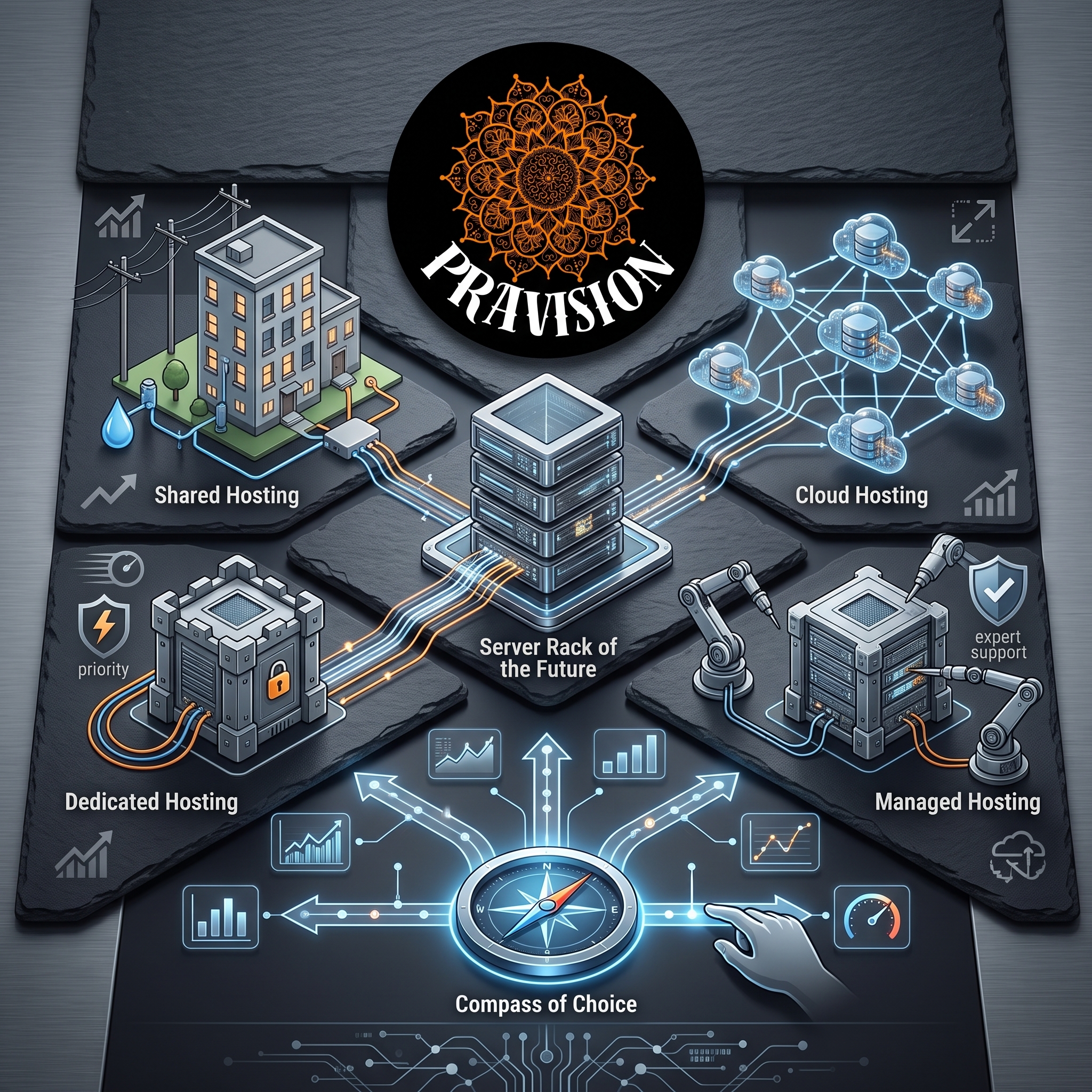
Pravision hosting infographic showing five hosting types connected to central server: shared hosting with building, cloud hosting with distributed servers, dedicated hosting with locked server, managed hosting with robotic arm, and compass of choice navigation tool at bottom.

Web hosting is the foundational service that makes your website accessible on the internet. Whether you’re launching a personal blog, an e-commerce store, or a corporate website, understanding web hosting is crucial for your online success. In this comprehensive guide, we’ll explore everything you need to know about web hosting in 2026, from basic concepts to advanced considerations that will help you make the right choice for your needs.

Choosing the right web hosting provider can significantly impact your site’s performance, security, and scalability. With the digital landscape constantly evolving, today’s hosting solutions offer more power, better security features, and enhanced AI-driven tools than ever before.

What Is Web Hosting and How Does It Work?

Web hosting is a service that allows individuals and organizations to publish their websites on the internet. When you purchase web hosting, you’re essentially renting space on a physical server where all your website’s files, databases, and content are stored.

Here’s how the process works: When someone types your domain name into their browser, the internet connects to the server hosting your website. The server then delivers your website’s files to the visitor’s browser, displaying your content on their screen. This entire process happens in milliseconds, making your site instantly accessible to users worldwide.

Modern web hosting services go beyond simple storage. In 2026, hosting providers offer integrated content delivery networks (CDNs), automated security patches, AI-powered performance optimization, and sophisticated caching mechanisms that ensure your website loads quickly and remains secure against emerging threats.

Types of Web Hosting Services Available

Understanding the different types of web hosting is essential for selecting the right solution. Each type offers distinct advantages depending on your website’s size, traffic, and technical requirements.

Shared Hosting

Shared hosting is the most economical option where multiple websites share resources on a single server. This makes it ideal for beginners, small businesses, and personal websites with moderate traffic. While cost-effective, shared hosting means you’re sharing CPU, RAM, and bandwidth with other sites, which can occasionally impact performance during traffic spikes on neighboring websites.

Virtual Private Server (VPS) Hosting

VPS hosting provides a middle ground between shared and dedicated hosting. Though multiple websites still reside on one physical server, virtualization technology allocates dedicated resources to each site. This offers better performance, more control, and enhanced security compared to shared hosting, making it suitable for growing businesses and medium-traffic websites.

Dedicated Server Hosting

With dedicated hosting, you lease an entire physical server exclusively for your website. This provides maximum performance, complete control over server configuration, and the highest level of security. Dedicated servers are ideal for large enterprises, high-traffic websites, and applications requiring extensive resources and customization.

Cloud Hosting

Cloud hosting utilizes a network of interconnected servers to host your website, offering exceptional scalability and reliability. If one server experiences issues, another seamlessly takes over. This distributed approach ensures superior uptime and allows you to scale resources instantly based on demand. Cloud hosting has become increasingly popular in 2026 due to its flexibility and pay-as-you-grow pricing models.

Managed WordPress Hosting

Specifically optimized for WordPress sites, this specialized hosting handles technical aspects like updates, backups, security, and performance optimization. It’s perfect for users who want a hands-off approach while ensuring their WordPress site runs at peak efficiency.

Key Features to Look for in a Web Hosting Provider

Selecting the right web hosting provider requires evaluating several critical factors that directly impact your website’s success.

Performance and Uptime Guarantee

Look for providers offering at least 99.9% uptime guarantee. Downtime directly translates to lost visitors and revenue. In 2026, reputable hosts utilize redundant infrastructure, advanced monitoring systems, and AI-driven predictive maintenance to minimize outages.

Security Features

Cybersecurity remains paramount in 2026. Essential security features include SSL certificates, DDoS protection, automated malware scanning, regular backups, and advanced firewall protection. Many providers now incorporate AI-powered threat detection that identifies and neutralizes emerging vulnerabilities in real-time.

Scalability Options

Your hosting should grow with your business. Choose providers that offer seamless upgrade paths, allowing you to transition from shared hosting to VPS or cloud solutions without significant downtime or technical complications.

Customer Support

Quality support can make or break your hosting experience. Look for 24/7 availability through multiple channels (chat, phone, email) with knowledgeable staff who can resolve technical issues quickly. AI-powered support assistants have become common in 2026, providing instant answers to common questions while escalating complex issues to human experts.

Developer-Friendly Tools

For technical users, features like SSH access, staging environments, Git integration, multiple PHP versions, and easy database management are essential. Modern hosting platforms in 2026 also offer containerization support and edge computing capabilities.

How to Choose the Best Web Hosting for Your Needs

Selecting the optimal web hosting solution requires assessing your specific requirements and future goals.

Consider your website type: A simple blog has vastly different needs than an e-commerce platform processing thousands of transactions daily. E-commerce sites require PCI compliance, robust security, and high-performance databases, while portfolio sites prioritize visual loading speed and media optimization.

Evaluate your technical expertise: Beginners benefit from managed hosting solutions with user-friendly control panels, while experienced developers might prefer unmanaged VPS or dedicated servers offering complete customization freedom.

Assess your budget: While cost matters, the cheapest option isn’t always the wisest investment. Calculate total cost of ownership, including renewal rates, which often increase after introductory periods. Factor in potential revenue loss from downtime or poor performance against hosting costs.

Review provider reputation: Research customer reviews, independent performance tests, and industry ratings. In 2026, transparency regarding environmental sustainability and carbon-neutral hosting has also become an important consideration for many businesses.

Test customer support: Before committing, contact support with technical questions to gauge response time and expertise. This preview often reveals the quality of assistance you’ll receive when facing real issues.

Web Hosting Trends and Technologies in 2026

The hosting industry continues evolving rapidly, with several transformative trends shaping the landscape in 2026.

AI-driven optimization: Artificial intelligence now automatically optimizes server configurations, predicts traffic patterns, and allocates resources dynamically to ensure optimal performance. Machine learning algorithms identify and resolve bottlenecks before they impact user experience.

Edge computing integration: Content and applications are increasingly deployed at network edges closer to users, dramatically reducing latency. This distributed approach ensures faster load times globally, particularly beneficial for international audiences.

Quantum-resistant security: As quantum computing advances, forward-thinking hosting providers have begun implementing quantum-resistant encryption protocols to future-proof security infrastructure.

Green hosting initiatives: Environmental consciousness has driven the industry toward renewable energy-powered data centers and carbon offset programs. Many providers now prominently market their sustainability credentials.

Serverless architecture: Function-as-a-Service (FaaS) models allow developers to run code without managing servers, paying only for actual compute time. This approach offers extreme scalability and cost efficiency for certain applications.

Frequently Asked Questions About Web Hosting

What is the difference between web hosting and a domain name?

A domain name is your website’s address (like www.yoursite.com) that users type to find you, while web hosting is the physical space where your website’s files are stored. You need both to have a functional website. Think of the domain as your street address and hosting as the actual building where you operate.

How much does web hosting typically cost in 2026?

Web hosting costs vary widely based on type and features. Shared hosting ranges from $3-15 monthly, VPS hosting typically costs $20-100 monthly, dedicated servers run $80-500+ monthly, and cloud hosting often uses pay-per-use models starting around $10 monthly. Specialized solutions like managed WordPress hosting typically cost $15-50 monthly. Prices reflect resource allocation, support quality, and additional features.

Can I switch web hosting providers later?

Yes, you can migrate your website to a different hosting provider at any time. Most reputable hosts offer free migration assistance to help transfer your files, databases, and email accounts. The process typically involves minimal downtime if planned properly. However, reviewing your current contract for any termination fees or commitments is advisable before switching.

Do I need technical knowledge to use web hosting?

Not necessarily. Many hosting providers offer managed solutions with intuitive control panels that handle technical aspects automatically. Popular platforms like cPanel or custom dashboards make tasks like installing applications, managing email, and monitoring performance accessible to beginners. However, more advanced configurations and unmanaged solutions do require technical expertise.

What happens if my website outgrows my current hosting plan?

Quality hosting providers offer seamless upgrade paths. You can typically scale from shared hosting to VPS, and eventually to dedicated or cloud solutions as your traffic and resource needs grow. Most upgrades can be completed with minimal downtime. Monitoring your resource usage through your hosting dashboard helps identify when upgrades become necessary before performance issues arise.

Pravision Marketing: Complete Guide to Success in 2026

Flat lay composition featuring "Pravision" branding with leather travel journal, ornate mandala design, brass compass, magnifying glass with charts, illuminated globes, glass bottles with symbolic contents, and hourglass on slate background.

Pravision marketing represents a forward-thinking approach to digital marketing that combines predictive analytics, personalized customer experiences, and data-driven strategies to help businesses thrive in an increasingly competitive landscape. As we navigate through 2026, understanding and implementing pravision marketing techniques has become essential for companies looking to stay ahead of market trends and deliver exceptional value to their target audiences.

This comprehensive guide explores everything you need to know about pravision marketing, from its core principles to practical implementation strategies that can transform your business outcomes.

What is Pravision Marketing?

Pravision marketing is an innovative marketing methodology that emphasizes precision, vision, and proactive strategy development. The term combines “precision” and “vision” to create a holistic approach that focuses on anticipating customer needs before they arise and delivering personalized experiences at scale.

Unlike traditional reactive marketing approaches, pravision marketing leverages advanced analytics, artificial intelligence, and predictive modeling to forecast consumer behavior patterns. This enables businesses to position their products and services strategically, ensuring they reach the right audience with the right message at precisely the right moment.

Core Components of Pravision Marketing

  • Predictive Analytics: Using historical data and machine learning algorithms to forecast future customer behaviors and market trends
  • Personalization at Scale: Delivering individualized experiences to thousands or millions of customers simultaneously
  • Real-Time Optimization: Continuously adjusting campaigns based on live performance data and customer interactions
  • Cross-Channel Integration: Creating seamless experiences across all customer touchpoints, from social media to email to in-store interactions
  • Value-First Approach: Prioritizing customer value creation over immediate conversions

Why Pravision Marketing Matters in 2026

The digital marketing landscape has evolved dramatically, and consumer expectations have reached unprecedented heights. Today’s customers demand personalized, relevant experiences and can detect inauthentic marketing from miles away. This is where pravision marketing becomes indispensable.

Recent studies show that businesses implementing pravision marketing strategies experience up to 40% higher customer engagement rates and 35% better conversion performance compared to those using traditional marketing methods. The ability to anticipate customer needs and deliver proactive solutions creates a competitive advantage that’s difficult for competitors to replicate.

Key Benefits for Modern Businesses

  • Improved ROI: By targeting the right audiences with precision, marketing budgets stretch further and deliver measurable results
  • Enhanced Customer Loyalty: Personalized experiences create emotional connections that translate into long-term customer relationships
  • Reduced Customer Acquisition Costs: Predictive targeting minimizes wasted ad spend on unqualified prospects
  • Competitive Differentiation: Stand out in crowded markets by delivering experiences competitors cannot match
  • Agile Strategy Adaptation: Quickly pivot marketing approaches based on real-time performance insights

Implementing Pravision Marketing Strategies

Successfully implementing pravision marketing requires a systematic approach that combines technology, data, creativity, and strategic thinking. Here’s how organizations can begin their pravision marketing journey in 2026.

Step 1: Build Your Data Foundation

The foundation of effective pravision marketing is robust data collection and management. Start by consolidating customer data from all touchpoints into a unified customer data platform (CDP). This includes website analytics, CRM information, social media interactions, purchase history, and customer service records.

Ensure your data collection practices comply with current privacy regulations and that customers understand how their information will be used to enhance their experiences. Transparency builds trust, which is essential for long-term success.

Step 2: Implement Predictive Analytics Tools

Invest in advanced analytics platforms that can process large datasets and identify meaningful patterns. Machine learning algorithms can predict which customers are most likely to purchase, which are at risk of churning, and what products or services will resonate with specific audience segments.

Popular tools for pravision marketing in 2026 include AI-powered platforms that integrate seamlessly with existing marketing technology stacks, providing actionable insights that marketers can implement immediately.

Step 3: Create Personalized Customer Journeys

Map out detailed customer journeys for different segments, identifying key touchpoints where personalized interactions can make the biggest impact. Use your predictive insights to anticipate needs and proactively address them before customers even realize they have those needs.

This might include sending educational content to prospects who are researching solutions, offering personalized product recommendations based on browsing behavior, or providing exclusive offers to high-value customers at optimal times.

Step 4: Test, Measure, and Optimize Continuously

Pravision marketing is not a set-it-and-forget-it approach. Implement robust testing protocols, including A/B tests, multivariate tests, and controlled experiments to understand what works best for different audience segments. Monitor key performance indicators closely and be prepared to adjust strategies based on what the data reveals.

Pravision Marketing Tactics That Drive Results

Several specific tactics have proven particularly effective for businesses implementing pravision marketing approaches in 2026. These strategies combine the predictive power of data analytics with creative execution that resonates with target audiences.

Behavioral Trigger Campaigns

Set up automated campaigns that trigger based on specific customer behaviors or lifecycle stages. For example, when predictive models indicate a customer is likely considering a purchase, automatically send targeted content that addresses common objections or highlights relevant benefits.

Dynamic Content Optimization

Use AI-powered tools to automatically adjust website content, email messaging, and ad creative based on individual user profiles and predicted preferences. This ensures every customer sees the most relevant version of your marketing materials.

Predictive Lead Scoring

Implement sophisticated lead scoring models that go beyond basic demographic information to predict which prospects are most likely to convert. This allows sales teams to prioritize their efforts on high-potential opportunities while nurturing lower-scoring leads through automated sequences.

Churn Prevention Initiatives

Use predictive analytics to identify customers who are at risk of leaving before they actually disengage. Implement proactive retention campaigns offering personalized incentives, additional support, or product recommendations that re-engage these valuable customers.

Common Pravision Marketing Challenges and Solutions

While pravision marketing offers tremendous potential, organizations often encounter obstacles during implementation. Understanding these challenges and their solutions can help you avoid common pitfalls.

Data Quality Issues

Poor data quality undermines predictive accuracy. Solution: Implement data governance protocols, regular data cleansing processes, and validation rules that ensure information accuracy across all systems.

Technology Integration Complexity

Connecting multiple marketing technologies can be technically challenging. Solution: Work with experienced integration specialists or choose platforms with pre-built connectors for popular marketing tools.

Skills Gap

Many marketing teams lack data science expertise. Solution: Invest in training programs, hire data-literate marketers, or partner with specialized agencies that offer pravision marketing services.

Privacy and Compliance Concerns

Balancing personalization with privacy regulations requires careful navigation. Solution: Implement privacy-by-design principles, maintain transparent data practices, and ensure all activities comply with applicable regulations.

The Future of Pravision Marketing

As we progress through 2026 and beyond, pravision marketing will continue evolving with technological advances and changing consumer expectations. Emerging trends include increased use of augmented reality for personalized product visualization, voice-activated marketing experiences, and even more sophisticated AI models that can predict needs with remarkable accuracy.

Businesses that embrace pravision marketing now position themselves at the forefront of marketing innovation, building capabilities that will serve them well for years to come. The combination of human creativity and machine intelligence creates marketing experiences that are both highly effective and genuinely valuable to customers.

Frequently Asked Questions About Pravision Marketing

What makes pravision marketing different from traditional digital marketing?

Pravision marketing differs from traditional approaches by emphasizing predictive analytics and proactive strategy rather than reactive tactics. While traditional marketing often responds to customer actions after they occur, pravision marketing anticipates needs and positions solutions before customers actively search for them. This forward-thinking approach creates more timely, relevant experiences that drive better engagement and conversion outcomes.

How much does it cost to implement pravision marketing strategies?

Implementation costs vary significantly based on company size, existing technology infrastructure, and scope of deployment. Small businesses can begin with basic predictive analytics tools starting around $500-$2,000 monthly, while enterprise implementations may require investments of $50,000 or more for comprehensive platforms and integration services. The ROI typically justifies the investment through improved conversion rates and reduced customer acquisition costs.

Do I need a data science team to use pravision marketing?

While having data science expertise is beneficial, it’s not absolutely necessary to get started with pravision marketing. Many modern platforms offer user-friendly interfaces with pre-built predictive models that marketers can leverage without deep technical knowledge. However, as your pravision marketing maturity grows, having at least one team member with strong analytical skills will help maximize results and customize approaches for your specific business needs.

How long does it take to see results from pravision marketing?

Most businesses begin seeing measurable improvements within 60-90 days of implementing pravision marketing strategies. Initial wins often come from better audience targeting and personalized messaging. More sophisticated benefits, such as accurate churn prediction and advanced customer lifetime value optimization, typically materialize after 6-12 months once sufficient data has been collected and models have been refined through continuous optimization.

Can pravision marketing work for small businesses or is it only for enterprises?

Pravision marketing principles apply to businesses of all sizes. While enterprise organizations may have more resources to invest in sophisticated platforms, small businesses can implement pravision marketing through affordable tools and focused strategies. Starting with basic predictive analytics, email personalization, and behavioral targeting allows small businesses to gain competitive advantages without enterprise-level budgets. The key is starting with manageable initiatives and scaling as you demonstrate ROI.

ATS Scam Alert: Protect Your Job Search in 2026

Pravision software logo and icons on metallic panel displaying gear, user profile, server, job processing, network, funnel, and handshake symbols.

If you’ve been searching for a job in 2026, you’ve likely encountered frustration when your applications seem to disappear into a black hole. This has led many job seekers to wonder: is there an ATS scam preventing qualified candidates from landing interviews? Understanding applicant tracking systems and the legitimate concerns around them is crucial for every modern job seeker.

In this comprehensive guide, we’ll separate fact from fiction, explain how ATS technology actually works, identify real scams targeting job seekers, and provide actionable strategies to optimize your applications for success.

What Is an ATS and Why Do People Call It a Scam?

An Applicant Tracking System (ATS) is software that companies use to manage their recruitment process. These systems scan, parse, and rank resumes based on specific criteria before a human recruiter ever sees them. Major ATS platforms in 2026 include Workday, Greenhouse, Lever, and iCIMS, which collectively process millions of applications daily.

The term ATS scam emerged from job seeker frustration when qualified candidates receive automatic rejections or never hear back from employers. However, calling ATS itself a scam is misleading—the technology is a legitimate business tool, though it does have significant limitations that can disadvantage applicants.

How ATS Technology Works in 2026

Modern applicant tracking systems use a combination of keyword matching, parsing algorithms, and increasingly sophisticated AI to evaluate resumes. Here’s what happens when you submit an application:

  • Parsing: The ATS extracts information from your resume including contact details, work history, education, and skills
  • Keyword matching: The system compares your resume against the job description for relevant terms and phrases
  • Ranking: Applications are scored and ranked based on how well they match the position requirements
  • Filtering: Recruiters typically only review the top-ranked candidates, often just 10-25% of total applicants

While this process isn’t a scam, it does create legitimate barriers for qualified candidates who don’t optimize their applications correctly.

Real ATS-Related Scams to Watch Out For

While ATS software itself isn’t fraudulent, scammers have exploited job seeker anxiety about these systems to create actual scams. Here are the genuine threats you need to recognize in 2026:

Resume Optimization Services Scams

Many companies claim they can guarantee your resume will “beat the ATS” for fees ranging from $200 to $2,000. Red flags include:

  • Guarantees of interview callbacks or job placement
  • Pressure to pay immediately without seeing samples of their work
  • Claims of “insider access” to ATS algorithms
  • Requests for payment via cryptocurrency or wire transfer
  • No verifiable reviews or testimonials from real clients

Legitimate resume services exist, but they won’t make unrealistic promises or use high-pressure sales tactics.

Fake Job Postings Exploiting ATS Concerns

Scammers create fake job listings on legitimate platforms, then claim applicants need to pay for “ATS-optimized resume formatting” or “application processing fees” to be considered. Remember: legitimate employers never charge candidates to apply for positions.

ATS Software Sales Scams

Some fraudulent companies sell supposed “ATS bypass software” or “resume scanning tools” that claim to show exactly how your resume will score. These products rarely deliver on their promises and may even contain malware.

Legitimate Criticisms of ATS Technology

While not a scam, ATS technology does have documented problems that job seekers should understand:

Parsing errors: ATS software can misread creatively formatted resumes, causing qualified candidates to be incorrectly filtered out. Studies in 2026 show that up to 25% of resumes are misparsed by at least one major ATS platform.

Keyword over-emphasis: The focus on keyword matching can disadvantage candidates with equivalent skills described using different terminology, or those with transferable skills from different industries.

Bias amplification: When ATS systems are trained on historical hiring data, they can perpetuate existing biases related to education requirements, employment gaps, or career paths.

Lack of transparency: Most companies don’t explain their ATS criteria, leaving candidates guessing about why they were rejected.

These are legitimate concerns that job seekers and hiring advocates continue to address through policy proposals and technology improvements.

How to Optimize Your Resume for ATS (Without Falling for Scams)

You don’t need to pay hundreds of dollars to improve your ATS success rate. Here are proven, free strategies that work in 2026:

Formatting Best Practices

  • Use standard section headings like “Work Experience,” “Education,” and “Skills”
  • Choose simple, ATS-friendly fonts like Arial, Calibri, or Georgia
  • Avoid headers, footers, tables, text boxes, and images which many systems can’t read
  • Save your resume as a .docx file unless the posting specifically requests PDF
  • Use standard bullet points rather than special characters or symbols

Content Optimization Strategies

Carefully read the job description and incorporate relevant keywords naturally throughout your resume. Focus on:

  • Including exact job titles when you’ve held the same or similar positions
  • Matching technical skills, software, and tools mentioned in the posting
  • Using industry-standard terminology rather than company-specific jargon
  • Incorporating both acronyms and full terms (e.g., “Search Engine Optimization (SEO)”)
  • Adding a skills section with 15-20 relevant competencies

Application Strategy Tips

Beyond resume optimization, improve your overall success rate by:

  • Applying directly on company websites rather than third-party job boards when possible
  • Customizing your resume for each application instead of using a generic version
  • Following all application instructions precisely
  • Networking to get employee referrals, which often bypass initial ATS screening
  • Following up strategically through LinkedIn or email when appropriate

The Future of ATS Technology and Job Searching

As we progress through 2026, several trends are shaping how applicant tracking systems evolve:

AI transparency requirements: Several jurisdictions now require employers to disclose when AI is used in hiring decisions, giving candidates more insight into the process.

Skills-based matching: Advanced ATS platforms are moving beyond simple keyword matching toward more sophisticated skills assessment and competency mapping.

Bias auditing: Many companies now regularly audit their ATS configurations for potential bias, though implementation varies widely.

Candidate experience improvements: Competition for talent has pushed some organizations to provide better feedback and clearer communication, even for rejected candidates.

Understanding these trends helps you navigate the job market more effectively and identify employers who are committed to fair, transparent hiring processes.

Frequently Asked Questions About ATS Scams

Is an applicant tracking system itself a scam?

No, an ATS is not a scam—it’s legitimate software that companies use to manage high volumes of applications. However, the technology has limitations that can disadvantage qualified candidates, and scammers exploit job seeker frustration with these systems to sell unnecessary services or steal money.

Should I pay for an ATS resume optimization service?

Most job seekers don’t need to pay for these services. Free resources, including job description analysis and standard formatting guidelines, are sufficient for most applications. If you do choose to hire professional help, research the service thoroughly, read verified reviews, and never work with anyone making guaranteed placement promises.

How can I tell if my resume is being rejected by an ATS?

If you’re consistently not hearing back despite being qualified, your resume may have ATS issues. Test this by applying to positions where you’re clearly qualified, trying both standard and simplified formatting. If the simplified version gets better response rates, formatting was likely the problem. You can also use free online ATS scanning tools, though results vary in accuracy.

Do all companies use applicant tracking systems in 2026?

Approximately 98% of Fortune 500 companies use ATS software, and about 65% of mid-sized companies do as well. Small businesses (under 50 employees) are less likely to use dedicated ATS platforms, often relying on email applications or basic recruiting tools instead.

Can I really beat the ATS and guarantee an interview?

No service or strategy can guarantee interview callbacks, as human decision-making is always involved. However, you can significantly improve your chances by optimizing your resume formatting, incorporating relevant keywords, customizing each application, and leveraging networking. Job searching requires multiple applications and persistence—there’s no magic solution to bypass the process entirely.

Web Development Guide: Build Modern Websites in 2026

Orange mandala pattern centered on dark circle, surrounded by tech and AI icons including servers, cloud computing, database, gears, and accessibility symbols on teal geometric background.

Web development has evolved into one of the most dynamic and rewarding career paths in the technology sector. As we navigate through 2026, the field continues to expand with innovative frameworks, advanced AI integration, and increasingly sophisticated user expectations. Whether you’re considering a career change or looking to enhance your existing skills, understanding modern web development is essential for success in today’s digital landscape.

This comprehensive guide will walk you through everything you need to know about web development, from fundamental concepts to advanced techniques that are shaping the industry right now.

What is Web Development?

Web development encompasses the creation, building, and maintenance of websites and web applications. It includes everything from developing simple static pages to complex enterprise-level applications, progressive web apps (PWAs), and AI-powered platforms that millions of users interact with daily.

The discipline is typically divided into three main categories:

  • Front-end Development: The client-side aspects that users see and interact with directly, including layout, design, and interactive elements
  • Back-end Development: Server-side programming that handles data processing, database interactions, and application logic
  • Full-stack Development: Comprehensive expertise covering both front-end and back-end technologies

In 2026, web development has become more integrated with artificial intelligence, quantum computing readiness, and enhanced security protocols that protect user data more effectively than ever before.

Essential Technologies for Web Development in 2026

The technology stack for modern web development continues to evolve rapidly. Here are the core technologies that every developer should understand:

Front-End Technologies

The front-end landscape has matured significantly, with several frameworks dominating the market:

  • React 20: Still the most popular library, now with native AI component integration and enhanced performance optimization
  • Vue 5: Known for its simplicity and progressive framework approach, perfect for both small and large-scale applications
  • Svelte 6: Gaining massive traction for its compile-time optimization and minimal runtime overhead
  • WebAssembly: Now mainstream for performance-critical applications, enabling near-native speed in browsers

Back-End Technologies

Server-side development has also seen remarkable advances:

  • Node.js 24: Continues to dominate with improved performance and native TypeScript support
  • Python with FastAPI: The go-to choice for AI-integrated applications and machine learning pipelines
  • Rust-based frameworks: Increasingly popular for high-performance, memory-safe backend systems
  • Edge computing platforms: Cloudflare Workers, Vercel Edge Functions, and similar technologies bringing computation closer to users

Databases and Data Management

Data architecture has become more sophisticated with vector databases for AI applications, distributed systems for global scale, and enhanced real-time capabilities through technologies like PostgreSQL with native vector support, MongoDB Atlas with AI search, and specialized graph databases for complex relationship mapping.

The Web Development Process: From Concept to Launch

Successful web development follows a structured approach that ensures quality, maintainability, and user satisfaction. Here’s how professional developers approach projects in 2026:

Planning and Strategy

Every project begins with thorough planning. This phase includes defining project goals, identifying target audiences, creating user personas, and establishing technical requirements. Modern planning tools now incorporate AI-assisted user journey mapping and predictive analytics to optimize the development roadmap.

Design and Prototyping

The design phase has been revolutionized by AI-powered design tools that can generate responsive layouts, suggest accessibility improvements, and even conduct automated user testing. Developers work closely with designers to ensure that visual concepts are technically feasible and optimized for performance.

Development and Implementation

This is where code comes to life. In 2026, web development utilizes advanced IDE features with AI pair programming, automated code review systems, and intelligent debugging tools that can predict and prevent common errors before deployment.

Testing and Quality Assurance

Comprehensive testing includes automated unit tests, integration testing, end-to-end testing with AI-powered test generation, performance testing across various devices and network conditions, and security vulnerability scanning with real-time threat detection.

Deployment and Maintenance

Modern deployment strategies leverage continuous integration and continuous deployment (CI/CD) pipelines, containerization with advanced orchestration, automated scaling based on traffic patterns, and proactive monitoring with AI-driven anomaly detection.

Career Opportunities in Web Development

The demand for skilled web developers remains exceptionally strong in 2026. The field offers diverse career paths with competitive compensation and flexibility. Average salaries for web development professionals range from entry-level positions starting at $65,000 to senior full-stack developers earning $150,000 or more, with specialized roles in AI integration, security, or performance optimization commanding premium rates.

Remote work opportunities are abundant, with most companies offering flexible arrangements. The skills learned in web development are transferable across industries, from finance and healthcare to education and entertainment.

Specialization Areas

As the field matures, developers often specialize in specific areas such as:

  • AI Integration Specialists: Focusing on implementing machine learning models and AI features in web applications
  • Performance Engineers: Optimizing applications for speed, efficiency, and user experience
  • Security Experts: Ensuring applications are protected against evolving cyber threats
  • Accessibility Advocates: Creating inclusive experiences for all users
  • Web3 Developers: Building decentralized applications and blockchain-integrated platforms

Best Practices for Modern Web Development

Following industry best practices ensures your projects are maintainable, scalable, and successful. Here are the key principles that define quality web development in 2026:

Performance First: Users expect lightning-fast load times. Optimize images using modern formats like AVIF, implement code splitting, leverage browser caching, and utilize edge computing for global content delivery.

Mobile-First Design: With mobile devices accounting for the majority of web traffic, designing for mobile screens first ensures optimal experiences across all devices.

Accessibility is Essential: Building inclusive websites isn’t just ethical—it’s legally required in many jurisdictions. Follow WCAG 2.2 guidelines, use semantic HTML, ensure keyboard navigation, and test with assistive technologies.

Security by Design: Implement security measures from the start, including HTTPS everywhere, content security policies, regular dependency updates, input validation and sanitization, and proper authentication and authorization systems.

SEO Optimization: Ensure your websites are discoverable through semantic HTML structure, proper meta tags and structured data, fast loading times and Core Web Vitals optimization, mobile-friendly responsive design, and quality content that serves user intent.

Learning Web Development in 2026

Breaking into web development has never been more accessible. Numerous resources cater to different learning styles, from interactive coding platforms to comprehensive bootcamps and university programs. The key is consistent practice and building real projects that demonstrate your capabilities.

Start with the fundamentals: HTML for structure, CSS for styling, and JavaScript for interactivity. Once comfortable with these core technologies, explore modern frameworks and tools. Build a portfolio showcasing your work, contribute to open-source projects, and engage with the developer community through forums, conferences, and local meetups.

AI-powered learning assistants can now provide personalized curriculum paths, real-time code feedback, and adaptive challenges that match your skill level, making self-directed learning more effective than ever.

Frequently Asked Questions About Web Development

How long does it take to learn web development?

The timeline varies based on your commitment and background, but most people can grasp the fundamentals within 3-6 months of dedicated study. Becoming job-ready typically requires 6-12 months of consistent learning and practice, including building several portfolio projects. However, web development is a continuous learning journey—even experienced developers constantly update their skills as technologies evolve.

Do I need a computer science degree for web development?

No, a formal computer science degree is not required for web development. Many successful developers are self-taught or have completed bootcamps. What matters most to employers are demonstrable skills, a strong portfolio, problem-solving abilities, and the capacity to learn continuously. That said, formal education can provide valuable foundational knowledge and networking opportunities.

What’s the difference between web development and web design?

Web design focuses on the visual and user experience aspects—layout, color schemes, typography, and user interface elements. Web development involves the technical implementation—writing code to bring designs to life, creating functionality, managing databases, and ensuring security. Many professionals have skills in both areas, but they require different mindsets and toolsets.

Is web development still a good career choice in 2026?

Absolutely. Despite advances in AI and low-code platforms, skilled web developers remain in high demand. The field offers excellent salaries, flexible work arrangements, creative problem-solving opportunities, and continuous learning. As businesses increasingly rely on digital presence and web applications become more sophisticated, experienced developers who can build secure, performant, and user-friendly applications are invaluable.

What are the most important skills for web developers in 2026?

Beyond technical proficiency in programming languages and frameworks, successful web developers need strong problem-solving abilities, understanding of UX/UI principles, knowledge of AI integration and machine learning basics, security awareness and best practices, version control expertise (Git), API design and integration skills, performance optimization techniques, and effective communication for team collaboration. Adaptability and willingness to learn new technologies are perhaps the most crucial skills of all.

Graphic Design Guide: Trends, Tools & Tips for 2026

Graphic Design Guide 2026 title with colorful design tool icons in hexagonal frames on teal digital background with geometric patterns and particles.

Graphic design has evolved into one of the most dynamic and essential disciplines in the digital age, shaping how brands communicate, products are marketed, and stories are told. As we navigate through 2026, graphic design continues to blend artistic creativity with cutting-edge technology, offering unprecedented opportunities for designers and businesses alike. Whether you’re a seasoned professional or just starting your creative journey, understanding the fundamentals and latest innovations in graphic design is crucial for success in today’s visual-first world.

This comprehensive guide explores everything you need to know about graphic design, from core principles to emerging trends, essential tools, and career opportunities that define the industry in 2026.

What Is Graphic Design and Why Does It Matter?

Graphic design is the art and practice of creating visual content to communicate messages effectively. It combines typography, imagery, color, and layout to solve problems and convey ideas across various media platforms. From logos and websites to social media content and packaging, graphic design shapes our daily visual experiences.

In 2026, the importance of graphic design has reached new heights as attention spans shorten and visual content dominates digital platforms. Businesses that invest in quality graphic design see measurable returns through increased brand recognition, improved user engagement, and higher conversion rates. Strong visual communication has become a competitive necessity rather than a luxury.

The Core Elements of Effective Graphic Design

Every successful graphic design project relies on fundamental elements that work together harmoniously:

  • Typography: The art of arranging text to make written language readable and appealing
  • Color Theory: Understanding how colors interact and influence emotions and perceptions
  • Layout and Composition: Organizing visual elements to guide the viewer’s eye and create hierarchy
  • Imagery: Using photographs, illustrations, and graphics to support the message
  • White Space: Strategic use of empty space to improve readability and focus
  • Balance: Distributing visual weight to create stability and harmony

Graphic Design Trends Dominating 2026

The graphic design landscape in 2026 is characterized by a fascinating blend of technological innovation and nostalgic aesthetics. Understanding these trends helps designers stay relevant and create work that resonates with contemporary audiences.

AI-Augmented Design Workflows

Artificial intelligence has become an integral collaborator in the graphic design process. In 2026, designers leverage AI tools not to replace creativity but to enhance it. AI assists with rapid prototyping, color palette generation, layout suggestions, and even creating initial design concepts that human designers refine and perfect. The most successful designers have learned to seamlessly integrate AI capabilities while maintaining their unique creative vision.

Immersive 3D and Spatial Design

With the proliferation of augmented reality devices and spatial computing platforms, graphic design has expanded beyond flat screens. Designers now create experiences that exist in three-dimensional space, requiring new skills in depth, perspective, and interactive elements. This shift has opened exciting possibilities for brand experiences, product visualization, and environmental design.

Sustainable and Ethical Design Practices

Conscious consumers in 2026 demand that brands demonstrate environmental and social responsibility. This extends to graphic design choices, including digital-first approaches that minimize print waste, accessible design that serves diverse audiences, and authentic visual storytelling that avoids stereotypes and promotes inclusivity.

Dynamic and Adaptive Visual Systems

Static logos and fixed brand guidelines are giving way to flexible design systems that adapt to context, platform, and user preferences. Responsive design now extends beyond screen sizes to include personalization based on user behavior, time of day, and even environmental factors.

Essential Tools for Graphic Design in 2026

The graphic design toolkit has expanded significantly, offering solutions for every skill level and specialization. Here are the categories and tools that define professional practice in 2026:

Industry-Standard Software

Professional graphic design still relies on robust desktop applications that offer comprehensive features:

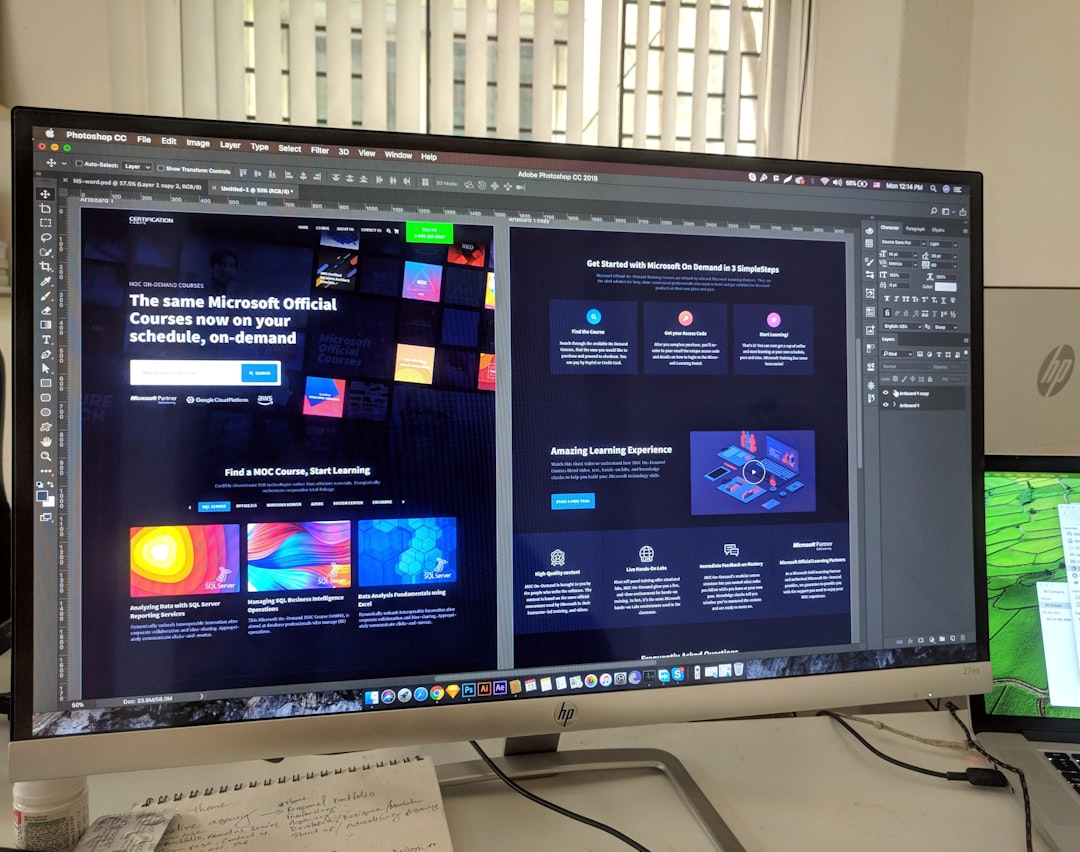
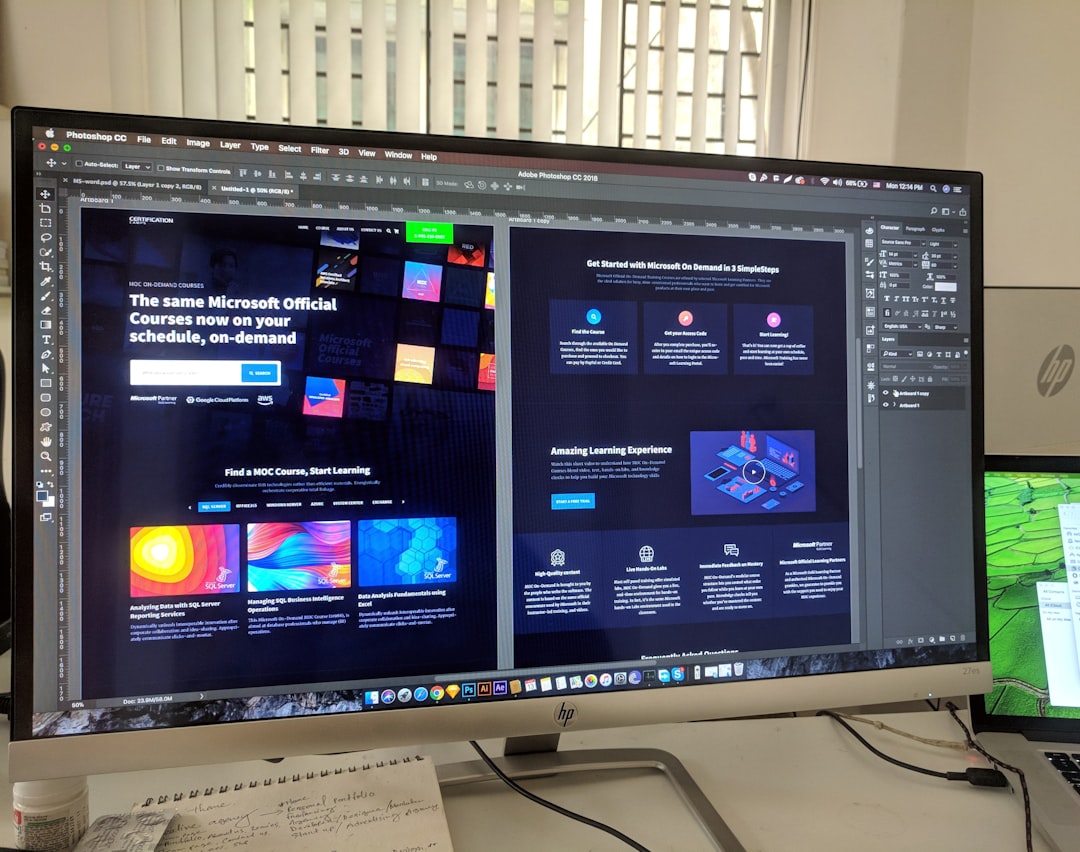
  • Adobe Creative Cloud: Photoshop, Illustrator, and InDesign remain industry standards for raster graphics, vector design, and layout respectively
  • Affinity Suite: Increasingly popular alternatives offering professional features with a one-time purchase model
  • Figma and FigJam: Collaborative design platforms that have expanded from UI/UX into broader graphic design applications

AI-Powered Design Assistants

Next-generation tools that accelerate creative workflows include intelligent suggestion engines, automated design variation generators, and smart asset management systems that organize and retrieve design elements using natural language.

Specialized Applications

Depending on your graphic design focus, specialized tools for motion graphics, 3D modeling, typography design, and brand identity development offer advanced capabilities that general-purpose software cannot match.

Building a Career in Graphic Design

The graphic design profession offers diverse career paths, from traditional agency roles to freelance entrepreneurship and specialized niches. In 2026, the job market for skilled designers remains robust, with particular demand for those who combine creative talent with technical proficiency.

Skills That Set You Apart

Beyond artistic ability, successful graphic designers in 2026 possess:

  • Understanding of user experience and interface design principles
  • Proficiency with both AI-assisted tools and traditional design software
  • Knowledge of accessibility standards and inclusive design practices
  • Ability to work within design systems and maintain brand consistency
  • Strong communication skills to present and justify design decisions
  • Basic coding knowledge for web and interactive projects

Education and Professional Development

While formal education in graphic design provides valuable foundation, the field increasingly values demonstrable skills and portfolio quality over credentials alone. Continuous learning through online courses, workshops, and self-directed projects keeps designers competitive in this rapidly evolving field.

Best Practices for Creating Impactful Graphic Design

Regardless of the specific project, certain principles consistently produce effective graphic design results:

Start with strategy: Understand the objective, audience, and message before opening design software. The most beautiful design fails if it doesn’t serve its purpose.

Maintain consistency: Develop and adhere to visual systems that create recognition and cohesion across all touchpoints.

Prioritize readability: Ensure that text is legible and information hierarchy guides viewers through content logically.

Design for accessibility: Consider color contrast, text size, alternative text, and how your designs serve users with various abilities.

Iterate and refine: Great graphic design rarely emerges fully formed. Allow time for experimentation, feedback, and improvement.

Stay inspired: Regularly explore design galleries, follow industry leaders, and expose yourself to art and culture beyond the design world.

The Business Side of Graphic Design

Whether working in-house, at an agency, or as a freelancer, understanding the business aspects of graphic design is essential for career success. This includes pricing your work appropriately, managing client relationships, protecting your intellectual property, and marketing your services effectively.

In 2026, many graphic designers build diversified income streams through client work, selling templates and assets, creating educational content, and licensing their designs. The digital marketplace has made it easier than ever to monetize creative skills globally.

Frequently Asked Questions About Graphic Design

What qualifications do you need to become a graphic designer?

While many graphic designers hold degrees in design or related fields, formal education is not strictly required. In 2026, employers and clients primarily evaluate portfolios demonstrating strong design skills, creativity, and the ability to solve visual communication problems. Many successful designers are self-taught, having learned through online courses, tutorials, and dedicated practice. However, formal education can provide structured learning, networking opportunities, and foundational knowledge that accelerates career development.

How is AI changing graphic design?

AI is transforming graphic design by automating routine tasks, generating design variations quickly, and offering intelligent suggestions that enhance creativity rather than replace it. In 2026, the most successful designers use AI as a collaborative tool for brainstorming, rapid prototyping, and handling repetitive work, which frees them to focus on strategic thinking, creative direction, and the human elements of design that AI cannot replicate. The key is learning to work alongside AI while maintaining your unique creative perspective.

What’s the difference between graphic design and UI/UX design?

Graphic design focuses on creating visual content for communication and aesthetic purposes across various media, including print, digital, and environmental applications. UI (User Interface) design specifically addresses how digital products look and feel, while UX (User Experience) design encompasses the entire user journey and interaction with a product. While there is significant overlap—especially in visual design skills—UX design requires additional knowledge of user research, information architecture, and interaction design. Many designers in 2026 work across these disciplines, as the boundaries continue to blur.

How much should I charge for graphic design services?

Graphic design pricing varies widely based on experience, specialization, geographic location, project complexity, and client budget. In 2026, freelance designers typically charge between $50-$200 per hour, while project-based pricing might range from $500 for simple logos to $50,000+ for comprehensive brand identity systems. Research industry standards for your market, consider your experience level and operating costs, and don’t undervalue your expertise. Many designers find project-based pricing more profitable than hourly rates once they become efficient at scoping work accurately.

What software is essential for graphic design beginners?

Beginners in 2026 have excellent options at various price points. Free tools like Canva, GIMP, and Inkscape provide solid foundations for learning design principles. As skills develop, Adobe Creative Cloud (Photoshop, Illustrator, InDesign) remains the industry standard, though Affinity Designer and Affinity Photo offer professional capabilities with one-time purchases. Figma provides free collaborative design tools particularly valuable for digital projects. Start with free options to learn fundamentals, then invest in professional software as your skills and income justify the expense.

Written on Our Foreheads and Finding Peace When Life Is Out of Our Control

A single thought kept returning to my mind over the past few weeks. It didn’t come from anywhere specific at first, just a quiet realization settling in the background.

I didn’t fully understand why my mind kept circling back to it until yesterday, when three different conversations unfolded right after each other. Each touched a completely different part of life, yet every single one pointed to the exact same truth my intuition had been trying to tell me.

Three Conversations, One Shared Reality

Yesterday, I talked to my cousin about two of my uncles back in India who are in serious condition. She went to see them last week, and I visited them earlier this year in April. It was painful to see them so frail, but what hit hardest was watching their wives and families… the constant daily strain, the heavy caregiving, and the emotional toll of watching someone you love suffer.

Later that day, another friend called. We got to talking about her son, who has been dating his girlfriend for a while now. Everyone in the family is waiting for him to propose, but he hasn’t yet. We laughed, but agreed on a simple truth: as parents and loved ones, no matter how much we want things to move forward, we can’t do much more than wait.

Then came a third call from a dear friend who recently lost her job. I lost mine a few years ago, and despite all our efforts, neither of us has found the right role yet. We talked about how tough the market is right now, and how finding a job these days takes so much more than just putting in the work.

The Realization That Tied It All Together

Looking back at those three moments… a family facing illness, a young couple taking their time, and two friends searching for work… I realized why that quiet thought had been knocking on my mind for weeks before any of these calls happened.

My mind was preparing me to process all three situations through one core belief:

Our future is already written on our forehead. We have to do the work, and what is meant to happen will happen, exactly when and what it should be.

In our culture, the idea that destiny is written on our foreheads (Lalata Likhan) is deeply rooted. It is easy to mistake this for passive surrender… as if we should just sit back and do nothing. But it isn’t passive at all. It is about effort without the crippling anxiety of the outcome.

Effort Is Ours, Timing Belongs to Destiny

Believing in what is written doesn’t mean we stop trying:

  • The families caring for my uncles still show up every single day with endless patience and love.

  • Young people still build their relationships and move forward at their own pace.

  • My friend and I still refine our resumes, apply to roles, and network constantly.

Putting in the work is our duty (Karma). But the ultimate outcome, the timing, and the final results are not entirely in our hands.

Surrendering the Friction

I realize now why this thought was staying with me for weeks. It was a gentle reminder to stop carrying the heavy friction of trying to force things I cannot control.

When we fight our timing… worrying endlessly about why a job hasn’t come, why a life milestone is delayed, or why health is failing… we exhaust ourselves. But when we accept that what is written for us will unfold when the time is right, a quiet sense of peace takes over.

We care for our families. We support the people around us. We keep applying, searching, and working hard every day. And then we take a deep breath, trusting that whatever is written for us will happen… when and what it is meant to be.


Image Gallery

Does your website make you do everything the hard way?

Quick question for business owners and marketers:

❓ Do you know where to look to track your website’s real performance?
❓ Do you know you can update all your plugins and themes with just one click?
❓ Where do you go to view and manage your lead form submissions?
❓ How much time do you waste updating SEO meta descriptions manually?
❓ Are you tired of editing image alt text one by one?

I have a dozen more questions about your site, but here’s the best part…

There is a one-word answer to all of them:

👉
Pravision

Log into
Pravision™ and handle every single one of these tasks in 1 or 2 clicks. Easy peasy. 🚀

No complex code. No messy dashboards. Just total control over your site in seconds.

💬 What’s your biggest website headache right now?

#WebDesign #WordPress #WebsiteManagement #SEO #DigitalMarketing #Pravision #TechMadeEasy #Pravisionllc #PravisionAI


Image Gallery

Pravision vs. Competitors: Choosing the Right Web Design Company Near You

Introduction

Web design concept

The Importance of Choosing the Right Web Design Company

In today’s digital landscape, a well-designed and effective website is crucial for businesses. Choosing the right web design company can make or break your online presence. It’s not just about aesthetics; a good web design partner ensures your website is functional, user-friendly, and optimized for search engines. The right choice can propel your business forward, while the wrong one can leave you lagging behind.

Introducing Websiteistic and Its Unique Services and Approach

Websiteistic is a professional, knowledgeable, and customer-focused web design company committed to providing top-notch services. With expertise in website design and online marketing solutions, we cater to businesses of all sizes and across various industries. Our unique approach combines creativity with technical know-how, resulting in a website that not only looks great but also performs exceptionally. Our satisfied customers can attest to the value and benefits of working with Websiteistic, as evidenced by their glowing testimonials.

Factors to Consider When Searching for a ‘Web Design Company Near Me’

Proximity to Your Location and Ease of Communication

Location matters. Working with a web design company near you can facilitate better communication, ensuring your vision is understood and executed effectively. Face-to-face meetings can foster stronger collaboration and help to avoid misunderstandings. Moreover, local companies have a better understanding of the local market, which can be advantageous for your business.

Reputation and Credibility

Research is key. Look for a web design company with a strong reputation and proven track record. Testimonials from satisfied customers, portfolios showcasing previous work, and industry awards can all demonstrate credibility. Trustworthy companies are transparent about their processes and deliver on their promises.

Range of Services Offered

Comprehensive is better. A web design company that offers a wide range of services can be a one-stop-shop for all your online needs. From website design and development to SEO, social media marketing, and more, having all these services under one roof can save you time and effort. Additionally, a company with diverse capabilities can better adapt and evolve with your business over time.

Pricing and Packages

Value for money is crucial. Choose a web design company that offers competitive pricing and flexible packages. While it’s important to stay within your budget, don’t compromise on quality. An affordable yet high-quality service can provide an excellent return on investment. Remember, your website is an essential part of your business, and investing in the right partner can pay dividends in the long run.

Comparing Websiteistic to Competitors in the Industry

Houston Web Design Companies

Competitor 1: strengths and weaknesses

Competitor 1 may have a strong portfolio and impressive client list. However, they might lack the personalized approach that smaller businesses need. Additionally, their pricing may not be as competitive as Websiteistic.

Competitor 2: strengths and weaknesses

Competitor 2 could offer affordable rates and a friendly, customer-focused approach. On the downside, their range of services might be limited, and they may lack the level of expertise that Websiteistic offers.

Tulsa Web Design Companies

Competitor 1: strengths and weaknesses

Competitor 1 may excel in creativity and design, producing visually stunning websites. However, they might not prioritize functionality and search engine optimization as much as Websiteistic does, which can hinder your website’s overall performance.

Competitor 2: strengths and weaknesses

Competitor 2 could be known for their technical skills and attention to detail. Yet, they may struggle to create websites with strong visual appeal, which is where Websiteistic’s balanced approach provides an advantage.

Websiteistic in Livermore, CA

Advantages of Choosing Websiteistic

Websiteistic stands out for its professional, knowledgeable, and customer-focused approach. We offer a comprehensive range of services, from web design and development to SEO and online marketing solutions. Our competitive pricing and flexible packages cater to businesses of all sizes. Most importantly, our expertise and experience ensure that your website not only looks great but also performs exceptionally well.

Testimonials from Satisfied Customers

Our satisfied customers can attest to the value and benefits of working with Websiteistic. Their testimonials showcase our commitment to delivering outstanding results, our attention to detail, and our ability to understand and execute their vision effectively.

Key Differentiators of Websiteistic

Expertise and Experience in Website Design and Online Marketing Solutions

Our team at Websiteistic is composed of experts with years of experience in website design and online marketing solutions. We stay up-to-date with industry trends and best practices, ensuring that we deliver top-notch services that drive results. Our deep understanding of web design and digital marketing allows us to create websites that not only look great but also perform exceptionally well.

Customer-Focused Approach

We prioritize our clients’ needs and goals. This customer-focused approach allows us to truly understand your vision and execute it effectively. We value open communication and collaboration, ensuring that your website is tailored specifically to your business and target audience. Your success is our success, and we work tirelessly to help you achieve it.

Comprehensive Range of Services

At Websiteistic, we offer a one-stop-shop for all your online needs. Our comprehensive range of services includes website design and development, SEO, social media marketing, and more. This wide array of offerings allows us to adapt and evolve with your business over time, providing consistent support and expertise as your needs change and grow.

Competitive Pricing and Packages

We believe in providing excellent services at competitive prices. Our flexible packages cater to businesses of all sizes and budgets. We understand the importance of investing in the right web design partner, and we strive to offer affordable, high-quality solutions that deliver an excellent return on investment.

Conclusion

The Significance of Partnering with the Right Web Design Company for Your Business

Choosing the right web design company is a crucial decision that can significantly impact your online presence and overall business success. The right partner will not only create a visually appealing and functional website but also provide valuable expertise and ongoing support as your business evolves. As the digital landscape continues to change, it’s essential to have a reliable, experienced web design partner by your side.

Reiterating the Benefits and Value of Choosing Websiteistic

Websiteistic is a professional, knowledgeable, and customer-focused web design company dedicated to providing top-notch services that drive results. Our unique approach combines creativity with technical expertise, ensuring that your website not only looks great but also performs exceptionally well. With a comprehensive range of services, competitive pricing, and a strong track record of satisfied customers, Websiteistic is the ideal partner for businesses seeking a successful online presence.

Experience the Websiteistic difference for yourself. Get in touch with us today to discuss how we can help your business thrive online.


Image Gallery