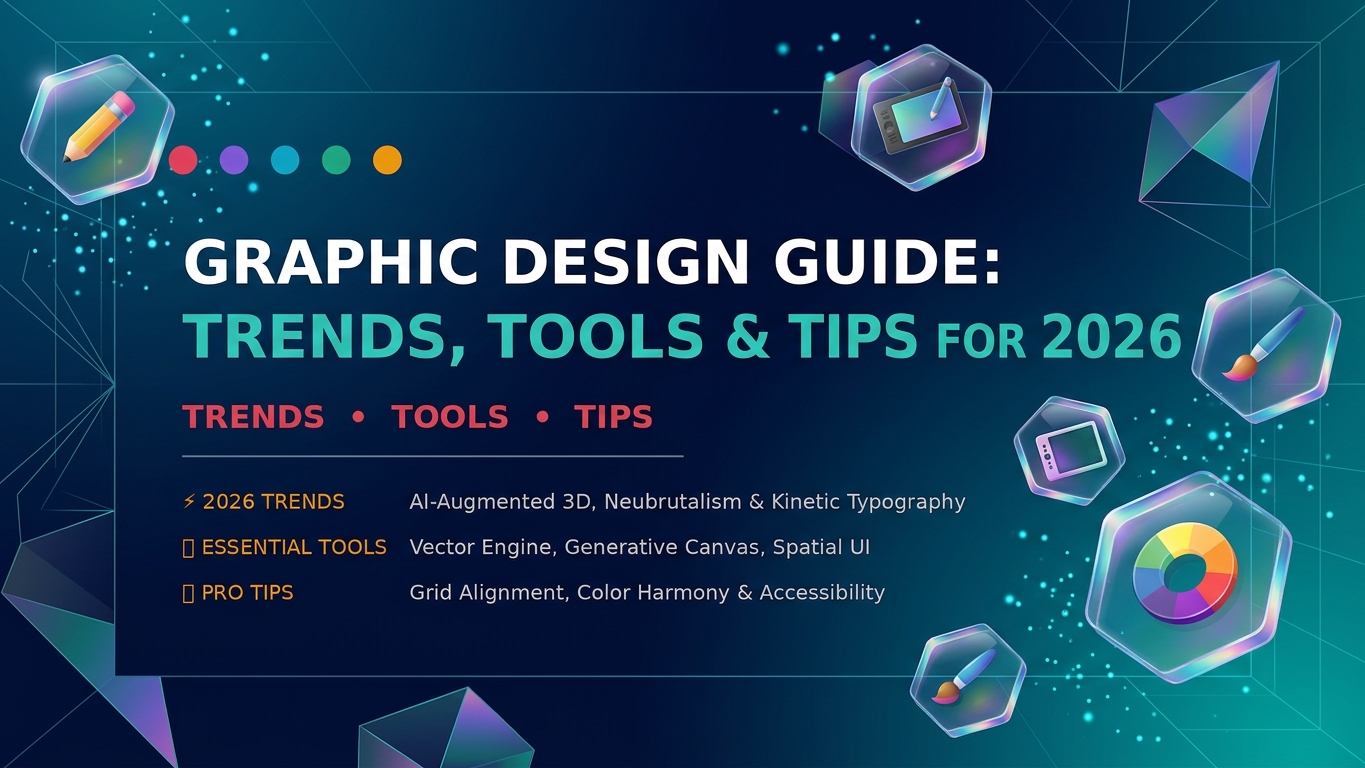
Graphic Design Guide: Trends, Tools & Tips for 2026
Graphic design has evolved into one of the most dynamic and essential disciplines in the digital age, shaping how brands communicate, products are marketed, and stories are told. As we navigate through 2026, graphic design continues to blend artistic creativity with cutting-edge technology, offering unprecedented opportunities for designers and businesses alike. Whether you’re a seasoned professional or just starting your creative journey, understanding the fundamentals and latest innovations in graphic design is crucial for success in today’s visual-first world.
This comprehensive guide explores everything you need to know about graphic design, from core principles to emerging trends, essential tools, and career opportunities that define the industry in 2026.
What Is Graphic Design and Why Does It Matter?
Graphic design is the art and practice of creating visual content to communicate messages effectively. It combines typography, imagery, color, and layout to solve problems and convey ideas across various media platforms. From logos and websites to social media content and packaging, graphic design shapes our daily visual experiences.
In 2026, the importance of graphic design has reached new heights as attention spans shorten and visual content dominates digital platforms. Businesses that invest in quality graphic design see measurable returns through increased brand recognition, improved user engagement, and higher conversion rates. Strong visual communication has become a competitive necessity rather than a luxury.
The Core Elements of Effective Graphic Design
Every successful graphic design project relies on fundamental elements that work together harmoniously:
- Typography: The art of arranging text to make written language readable and appealing
- Color Theory: Understanding how colors interact and influence emotions and perceptions
- Layout and Composition: Organizing visual elements to guide the viewer’s eye and create hierarchy
- Imagery: Using photographs, illustrations, and graphics to support the message
- White Space: Strategic use of empty space to improve readability and focus
- Balance: Distributing visual weight to create stability and harmony
Graphic Design Trends Dominating 2026
The graphic design landscape in 2026 is characterized by a fascinating blend of technological innovation and nostalgic aesthetics. Understanding these trends helps designers stay relevant and create work that resonates with contemporary audiences.
AI-Augmented Design Workflows
Artificial intelligence has become an integral collaborator in the graphic design process. In 2026, designers leverage AI tools not to replace creativity but to enhance it. AI assists with rapid prototyping, color palette generation, layout suggestions, and even creating initial design concepts that human designers refine and perfect. The most successful designers have learned to seamlessly integrate AI capabilities while maintaining their unique creative vision.
Immersive 3D and Spatial Design
With the proliferation of augmented reality devices and spatial computing platforms, graphic design has expanded beyond flat screens. Designers now create experiences that exist in three-dimensional space, requiring new skills in depth, perspective, and interactive elements. This shift has opened exciting possibilities for brand experiences, product visualization, and environmental design.
Sustainable and Ethical Design Practices
Conscious consumers in 2026 demand that brands demonstrate environmental and social responsibility. This extends to graphic design choices, including digital-first approaches that minimize print waste, accessible design that serves diverse audiences, and authentic visual storytelling that avoids stereotypes and promotes inclusivity.
Dynamic and Adaptive Visual Systems
Static logos and fixed brand guidelines are giving way to flexible design systems that adapt to context, platform, and user preferences. Responsive design now extends beyond screen sizes to include personalization based on user behavior, time of day, and even environmental factors.
Essential Tools for Graphic Design in 2026
The graphic design toolkit has expanded significantly, offering solutions for every skill level and specialization. Here are the categories and tools that define professional practice in 2026:
Industry-Standard Software
Professional graphic design still relies on robust desktop applications that offer comprehensive features:
- Adobe Creative Cloud: Photoshop, Illustrator, and InDesign remain industry standards for raster graphics, vector design, and layout respectively
- Affinity Suite: Increasingly popular alternatives offering professional features with a one-time purchase model
- Figma and FigJam: Collaborative design platforms that have expanded from UI/UX into broader graphic design applications
AI-Powered Design Assistants
Next-generation tools that accelerate creative workflows include intelligent suggestion engines, automated design variation generators, and smart asset management systems that organize and retrieve design elements using natural language.
Specialized Applications
Depending on your graphic design focus, specialized tools for motion graphics, 3D modeling, typography design, and brand identity development offer advanced capabilities that general-purpose software cannot match.
Building a Career in Graphic Design
The graphic design profession offers diverse career paths, from traditional agency roles to freelance entrepreneurship and specialized niches. In 2026, the job market for skilled designers remains robust, with particular demand for those who combine creative talent with technical proficiency.
Skills That Set You Apart
Beyond artistic ability, successful graphic designers in 2026 possess:
- Understanding of user experience and interface design principles
- Proficiency with both AI-assisted tools and traditional design software
- Knowledge of accessibility standards and inclusive design practices
- Ability to work within design systems and maintain brand consistency
- Strong communication skills to present and justify design decisions
- Basic coding knowledge for web and interactive projects
Education and Professional Development
While formal education in graphic design provides valuable foundation, the field increasingly values demonstrable skills and portfolio quality over credentials alone. Continuous learning through online courses, workshops, and self-directed projects keeps designers competitive in this rapidly evolving field.
Best Practices for Creating Impactful Graphic Design
Regardless of the specific project, certain principles consistently produce effective graphic design results:
Start with strategy: Understand the objective, audience, and message before opening design software. The most beautiful design fails if it doesn’t serve its purpose.
Maintain consistency: Develop and adhere to visual systems that create recognition and cohesion across all touchpoints.
Prioritize readability: Ensure that text is legible and information hierarchy guides viewers through content logically.
Design for accessibility: Consider color contrast, text size, alternative text, and how your designs serve users with various abilities.
Iterate and refine: Great graphic design rarely emerges fully formed. Allow time for experimentation, feedback, and improvement.
Stay inspired: Regularly explore design galleries, follow industry leaders, and expose yourself to art and culture beyond the design world.
The Business Side of Graphic Design
Whether working in-house, at an agency, or as a freelancer, understanding the business aspects of graphic design is essential for career success. This includes pricing your work appropriately, managing client relationships, protecting your intellectual property, and marketing your services effectively.
In 2026, many graphic designers build diversified income streams through client work, selling templates and assets, creating educational content, and licensing their designs. The digital marketplace has made it easier than ever to monetize creative skills globally.
Frequently Asked Questions About Graphic Design
What qualifications do you need to become a graphic designer?
While many graphic designers hold degrees in design or related fields, formal education is not strictly required. In 2026, employers and clients primarily evaluate portfolios demonstrating strong design skills, creativity, and the ability to solve visual communication problems. Many successful designers are self-taught, having learned through online courses, tutorials, and dedicated practice. However, formal education can provide structured learning, networking opportunities, and foundational knowledge that accelerates career development.
How is AI changing graphic design?
AI is transforming graphic design by automating routine tasks, generating design variations quickly, and offering intelligent suggestions that enhance creativity rather than replace it. In 2026, the most successful designers use AI as a collaborative tool for brainstorming, rapid prototyping, and handling repetitive work, which frees them to focus on strategic thinking, creative direction, and the human elements of design that AI cannot replicate. The key is learning to work alongside AI while maintaining your unique creative perspective.
What’s the difference between graphic design and UI/UX design?
Graphic design focuses on creating visual content for communication and aesthetic purposes across various media, including print, digital, and environmental applications. UI (User Interface) design specifically addresses how digital products look and feel, while UX (User Experience) design encompasses the entire user journey and interaction with a product. While there is significant overlap—especially in visual design skills—UX design requires additional knowledge of user research, information architecture, and interaction design. Many designers in 2026 work across these disciplines, as the boundaries continue to blur.
How much should I charge for graphic design services?
Graphic design pricing varies widely based on experience, specialization, geographic location, project complexity, and client budget. In 2026, freelance designers typically charge between $50-$200 per hour, while project-based pricing might range from $500 for simple logos to $50,000+ for comprehensive brand identity systems. Research industry standards for your market, consider your experience level and operating costs, and don’t undervalue your expertise. Many designers find project-based pricing more profitable than hourly rates once they become efficient at scoping work accurately.
What software is essential for graphic design beginners?
Beginners in 2026 have excellent options at various price points. Free tools like Canva, GIMP, and Inkscape provide solid foundations for learning design principles. As skills develop, Adobe Creative Cloud (Photoshop, Illustrator, InDesign) remains the industry standard, though Affinity Designer and Affinity Photo offer professional capabilities with one-time purchases. Figma provides free collaborative design tools particularly valuable for digital projects. Start with free options to learn fundamentals, then invest in professional software as your skills and income justify the expense.