The CX Pro’s Ballad

The CX Pro’s Ballad

(CX Professional speaks)

Beyond the fixes, the out-of-the-box,
There's a skill that truly rocks.
Empathy, my friend, a listening ear,
To quell a customer's every fear.

(Customer speaks)

I'm lost and confused, can't find my way,
A simple task seems so far away.
A helping hand, a guiding light,
To steer me through this digital night.

(CX Professional speaks)

With patience and care, I'll show you the way,
Step by step, come what may.
But remember, dear customer, the goal is to learn,
So next time, you'll take your own turn.

(Customer speaks)

Oh, thank you, kind soul, you're a lifesaver, it's true,
I'll never forget what you helped me do.
But wait, another problem appears,
Can you help me again, quell my new fears?

(CX Professional speaks)
While I'm always here to lend a hand,
My goal is to help you understand.
To empower you, to set you free,
Not to become a dependency.

(Both together)

Empathy's a balance, a delicate dance,
To guide and teach, to give a chance.
With kindness and firmness, a measured embrace,
We'll find the sweet spot, the perfect space.

(Praveena, CX Professional, adds)

Like when I, Praveena, just today,
Showed a customer the LinkedIn way.
No task too small, no knowledge too grand,
To share and learn, hand in hand.
For in this dance of giving and take,
We both grow wiser, for goodness sake!
SHARE :
Facebook
Twitter
LinkedIn
Written By

Praveena Jogi

More Articles

Seeing is Believing: Why Data Visualization Matters for Customer Experience

Seeing is Believing: Why Data Visualization Matters for Customer Experience

Data visualization. It’s often seen as the realm of data scientists, analysts, and engineers, conjuring up images of complex charts and code. But the truth is, anyone can benefit from the power of visuals, especially when it comes to understanding and improving customer experience.

Think about it. As customer experience professionals, we’re drowning in data: customer satisfaction scores, ticket counts, resolution times, churn rates—the list goes on. Traditionally, this data might be presented in endless spreadsheets or dense reports. While valuable, let’s be honest—rows and columns of numbers can be overwhelming. ‍

This is where data visualization comes in. By transforming raw data into charts, graphs, and dashboards, we unlock key insights that might otherwise remain hidden. Why? Because our brains are wired to process visual information much faster and more efficiently than text.

The Human Brain: Wired for Visuals

There’s a delicate balance between perception and cognition in our brains. While we can certainly read and understand data in tables, our brains simply grasp patterns, trends, and outliers more easily when they’re presented visually. A well-designed chart can tell a story in seconds, a story that might take pages to convey in words.

Data Visualization: A CX Superpower

Here’s how data visualization can revolutionize your customer experience efforts:

  • Identify Pain Points: Quickly spot trends in customer complaints or negative feedback. Are there recurring issues with a specific product or service? A visual representation can highlight these problem areas instantly.
  • Track Progress: Monitor key metrics like customer satisfaction and resolution times over time. See at a glance whether your CX initiatives are having the desired impact.
  • Communicate Effectively: Share insights with stakeholders in a clear and compelling way. Visuals are far more engaging and persuasive than dry reports.
  • Empower Your Team: Equip your customer support team with dashboards that provide real-time insights into customer behavior and performance.

A Real-World Example

In my previous role at Treasure Data, I saw firsthand the power of data visualization for customer experience. Using Zendesk Explorer, I created dashboards for my team that visualized key metrics like ticket volume, resolution time, and customer satisfaction. This allowed us to quickly identify trends, spot potential issues, and track our progress in improving customer support.

Tools for Everyone

You don’t need to be a data scientist to create effective visualizations. Plenty of user-friendly tools are available, such as:

  • Google Data Studio: A free tool for creating interactive dashboards from various data sources.
  • Tableau Public: A free platform for creating and sharing interactive visualizations.
  • Microsoft Power BI: A powerful business analytics service with a user-friendly interface.

Beyond the Basics

Data visualization isn’t just about pretty charts. It’s about telling a story with data. Consider these tips:

  • Choose the right chart type: Different charts are suited for different types of data. Experiment to find the most effective way to present your information.
  • Keep it simple: Avoid clutter and unnecessary complexity. Focus on the key message you want to convey.
  • Use color strategically: Color can be used to highlight important data points or create visual hierarchy.

Embrace the Power of Visuals

In the world of customer experience, data is king. But data visualization is the key to unlocking its true potential. By embracing the power of visuals, you can gain a deeper understanding of your customers, identify areas for improvement, and ultimately deliver exceptional experiences.

SHARE :
Facebook
Twitter
LinkedIn
Written By

Praveena Jogi

More Articles

Taming the CX Chaos: My 20+ Years of Tried-and-True Customer Experience Tools

Taming the CX Chaos: My 20+ Years of Tried-and-True Customer Experience Tools

Over my 20+ year journey in the world of customer experience, I’ve worn many hats – from Customer Experience Engineer and Ops Engineer to Technical Engineer and Manager. Along the way, I’ve encountered a jungle of tools, some brilliant, some… not so much.

But through trial and error (and maybe a few frustrated sighs!), I’ve discovered some true gems that have helped me build high-performing teams and deliver exceptional customer experiences.

Disclaimer: The right tool for YOUR company depends on your specific needs and goals. Be sure to test and evaluate to ensure it helps your team, boosts efficiency, generates revenue, cuts costs, and leads to happy customers!

So, if you’re looking to level up your CX game and drive serious growth for your company, this list is for you. These are the tools that have consistently proven their worth in the trenches of customer support and success:

Your CX Command Center

A good help desk is the backbone of any CX operation. It’s where you manage incoming requests, track issues, and ensure nothing slips through the cracks. Here are a few of my favorites:

Zendesk: A classic for a reason. Zendesk is user-friendly, scalable, and packed with features. 

Jira Service Desk: If your company already uses Jira for project management, this is a natural fit. It excels at collaboration and workflow automation.

Freshdesk: A strong contender with a focus on affordability and ease of use.

Salesforce Service Cloud: The enterprise-grade solution. Powerful, customizable, and integrates seamlessly with the rest of the Salesforce ecosystem.

Zoho Desk: A great option for businesses looking for an all-in-one solution with built-in CRM capabilities.

Help Scout: Known for its intuitive interface and strong focus on customer satisfaction.

Real-Time Customer Connection

For those “need it now” moments, live chat is a lifesaver. It allows you to provide instant support and build rapport with customers in real-time.

HubSpot Chat: This is a good option if you’re already using HubSpot’s marketing or sales tools.

Intercom: A popular choice with a wide range of features, including chatbots and targeted messaging.

Drift: A revenue-focused live chat platform with powerful automation and routing capabilities.

Olark: A simple and user-friendly option that’s easy to set up and use.

LiveChat: A feature-rich platform with a focus on real-time engagement and proactive support.

Tidio: A good option for small businesses, offering a free plan with basic features.

Chatra: A lightweight and affordable solution with a focus on simplicity and ease of use.

Pure Chat: A popular choice for businesses looking for a customizable and user-friendly live chat solution.

JivoChat: A multi-channel platform that combines live chat, phone calls, and social media messaging.

Userlike: A customer messaging platform that focuses on personalized conversations and proactive support.

SnapEngage: A feature-rich platform with a focus on proactive engagement and customer intelligence.

Bold360: An AI-powered platform that offers personalized and proactive support across multiple channels.

The Heart of Customer Understanding

A good CRM system helps you track customer interactions, personalize communication, and build stronger relationships. CRM systems help manage customer interactions, track leads, and organize customer data, providing valuable insights for customer success teams.

Salesforce: The undisputed king of CRM. It’s a comprehensive platform with a solution for just about every business need.

HubSpot: Offers a free CRM that’s great for small businesses, along with paid plans that pack more features.

Zoho CRM: A customizable CRM with a strong focus on automation and analytics.

Microsoft Dynamics 365: Microsoft’s enterprise-level CRM, tightly integrated with other Microsoft products.

Pipedrive: A sales-focused CRM with a visual pipeline that’s great for managing deals.

Freshsales: From the makers of Freshdesk, this CRM is designed to help you attract and nurture leads.

Insightly: Combines CRM with project management features, making it a good choice for smaller teams.

Copper: Built for Google Workspace users, Copper integrates seamlessly with Gmail and other Google apps.

Less Annoying CRM: As the name suggests, this CRM aims for simplicity and ease of use, perfect for small businesses.

Agile CRM: Offers a free plan and a wide range of features, including sales, marketing, and service automation.

Help customers help themselves.

A knowledge base provides a centralized repository of information, FAQs, and troubleshooting guides. Knowledge bases empower customers to self-serve, reducing support tickets and freeing up customer success teams to focus on high-value activities.

Zendesk Guide: A knowledge base solution from Zendesk that integrates with their help desk software. It offers features like customizable templates, analytics, and self-service portals.

Confluence: A versatile knowledge base and collaboration tool from Atlassian. It offers features like team spaces, version control, and integrations with other Atlassian products.

Document360: A knowledge base platform designed for creating and managing self-service documentation. It offers features like version control, analytics, and integrations with popular tools.

Helpjuice: A user-friendly knowledge base solution with a focus on search and organization. It offers features like customizable templates, analytics, and integrations with popular help desk software.

Guru: A knowledge management solution that delivers information to employees and customers in the context of their workflow. It offers features like knowledge base integration, in-app guidance, and user analytics.

GrooveHQ: A help desk and knowledge base solution with a focus on customer support and shared inboxes. It offers features like customizable templates, analytics, and integrations with popular tools.

Onboarding Tools for Happy Customers

Customer onboarding tools streamline and automate the onboarding process, guiding new customers to value quickly. Effective onboarding tools reduce time-to-value, improve customer satisfaction, and increase product adoption:

Userpilot: This tool helps you create in-app experiences to guide users through your product. It offers features like interactive walkthroughs, checklists, and hotspots.

WalkMe: This is a digital adoption platform that provides on-screen guidance to help users navigate software applications. It offers features like interactive walkthroughs, tooltips, and self-service support.

Appcues: This tool helps you create personalized in-app experiences to guide users through your product. It offers features like product tours, checklists, and surveys.

Pendo: This is a product experience platform that helps you understand user behavior, collect feedback, and guide users to success. It offers features like product analytics, user segmentation, and in-app messaging.

Intercom: This is a customer communication platform with features like live chat, chatbots, and product tours that can be used for onboarding.

Whatfix: This is a digital adoption solution that helps you create interactive guides, walkthroughs, and self-help resources. It offers features like in-app guidance, knowledge base integration, and user analytics.

UserGuiding: This is a no-code user onboarding tool that helps you create interactive product tours and guides. It offers features like hotspots, checklists, and user segmentation.

Hint: This is a user onboarding tool that helps you create step-by-step guides and interactive tutorials. It offers features like tooltips, hotspots, and user analytics.

Spekit: This is a just-in-time learning platform that delivers training and knowledge within the flow of work. It offers features like knowledge base integration, in-app guidance, and user analytics.

Skilljar: This is a customer training platform that helps you create and deliver online courses and certifications. It offers features like course creation tools, learner progress tracking, and gamification.

Docebo: This is a learning management system (LMS) that can be used for employee training and customer onboarding. It offers features like course creation tools, learner progress tracking, and gamification.

TalentLMS: This is a cloud-based LMS that’s easy to use and affordable, suitable for small to medium-sized businesses. It offers features like course creation tools, learner progress tracking, and gamification.

Level Up Your Customer Success

Customer success platforms provide a comprehensive suite of tools for managing customer health, tracking progress, and automating tasks. These platforms help identify at-risk customers, predict churn, and proactively engage with customers to drive adoption and loyalty.

Catalyst: This is an end-to-end customer success platform that helps businesses track customer health, automate tasks, and improve customer engagement. It offers features like customer segmentation, health scoring, and automated playbooks. 


ChurnZero: This platform helps businesses reduce customer churn by identifying at-risk customers, automating tasks, and providing insights into customer health. It offers features like customer health scoring, playbooks, and reporting dashboards.


Gainsight: This is a popular customer success platform that helps businesses drive product adoption, reduce churn, and increase customer lifetime value. It offers features like customer journey mapping, health scoring, and automated playbooks.


Totango: This platform helps businesses orchestrate customer journeys, automate tasks, and improve customer engagement. It offers features like customer segmentation, health scoring, and reporting dashboards.


ClientSuccess: This platform helps businesses build stronger customer relationships, improve retention, and drive growth. It offers features like customer health scoring, playbooks, and a customer success community.

Digital Workspaces

Communication and collaboration tools facilitate seamless interaction within the team and with customers. Effective communication tools ensure everyone is aligned on customer goals and progress, leading to better outcomes.

Slack: A popular platform for team communication, file sharing, and integrations with other tools. It’s known for its user-friendly interface and robust features.

Microsoft Teams: A comprehensive collaboration platform that combines chat, video conferencing, file sharing, and integration with other Microsoft Office apps.

Zoom: A leading video conferencing tool that allows for online meetings, webinars, and virtual events. It’s known for its ease of use and high-quality video and audio.

Google Meet: A free video conferencing tool that’s integrated with other Google Workspace apps. It’s a good option for basic video calls and team meetings.

Skype: A popular platform for video and voice calls, instant messaging, and file sharing. It’s widely used for both personal and business communication.

WhatsApp: A popular messaging app that allows for text messaging, voice and video calls, and file sharing. It’s widely used for personal communication but can also be used for business purposes.

RingCentral: A cloud-based communications platform that offers a variety of features, including voice, video, messaging, and contact center solutions.

Listen to Your Customers

Survey and feedback tools collect customer feedback through various channels, such as surveys, polls, and in-app feedback forms. Gathering feedback through these tools helps understand customer sentiment, identify areas for improvement, and measure the effectiveness of customer success initiatives.

SurveyMonkey: A widely used platform with a variety of question types, survey logic, and reporting features.

Typeform: Known for its visually appealing and engaging surveys with a conversational style.

Google Forms: A free and easy-to-use tool for creating basic surveys and forms.

Qualtrics: A powerful platform for complex research needs with advanced features and analytics.

SurveySparrow: Offers conversational, chat-like surveys to increase engagement and response rates.

Hotjar: Provides heatmaps, session recordings, and feedback polls to understand website user behavior.

UserTesting: Offers a platform for getting real-time feedback on your website, app, or prototypes from actual users.

Delighted: Specializes in NPS (Net Promoter Score) surveys and provides a simple way to collect and analyze customer feedback.

Survicate: Offers a variety of survey types, including website, email, and in-app surveys, with a focus on customer feedback and user experience.

Nurture and Engage

Email marketing remains a powerful tool for customer communication, engagement, and nurturing. Here are a few platforms I’ve found effective:

Mailchimp: A popular and user-friendly platform with a wide range of features, including email templates, automation, and analytics.

Campaign Monitor: Known for its beautiful email templates and powerful segmentation capabilities.

ActiveCampaign: A robust platform that combines email marketing with marketing automation and CRM features.

Constant Contact: A good option for small businesses with simple email marketing needs.

ConvertKit: A popular choice for creators and bloggers with a focus on audience building and email list growth.

HubSpot Email Marketing: A good option if you’re already using HubSpot’s marketing or sales tools.

SiteGround Email Marketing: A good option if you’re already using SiteGround’s hosting services.

Elevate Employee Performance

Team performance and productivity tools are essential for CX managers to monitor team performance, track productivity metrics, and identify areas for improvement. These tools provide valuable insights into individual and team performance, enabling data-driven coaching, workload optimization, and better allocation of resources.

NICE CXone: A comprehensive CX platform with workforce optimization features for call centers and customer support teams.

Talkdesk: Offers workforce engagement management tools to monitor agent performance, provide feedback, and gamify tasks for motivation.

Genesys Cloud: Includes workforce management features for forecasting, scheduling, and tracking agent adherence to schedules.

Lattice: A performance management platform that includes goal setting, performance reviews, and employee engagement surveys.

BambooHR: An all-in-one HR platform with performance management features, including reviews and goal setting.

15Five: A performance management platform that focuses on continuous feedback, goal setting, and employee recognition.

Reflektive: A performance management platform that helps organizations align employee goals with business objectives, provide regular feedback, and track performance.

Betterworks: A continuous performance management platform that helps organizations set goals, track progress, and provide feedback.

Glint: An employee engagement platform that provides insights into employee sentiment, helps organizations identify areas for improvement, and track progress over time.

Quantum Workplace: An employee engagement platform that offers features like pulse surveys, employee recognition, and performance reviews.

Zenefits: An HR platform for small businesses that includes performance management features, such as reviews and goal tracking.

Enhance Team Performance

Performance management techniques drive employee growth and alignment. Key methods include setting SMART goals, using 30/60/90 day plans for new hires, and leveraging the 9-box grid for talent assessment. Regular check-ins, performance reviews, and 360-degree feedback foster ongoing development. Training, coaching, mentorship, and recognition further enhance employee growth.

SMART Goals: Goals should be Specific, Measurable, Achievable, Relevant, and Time-bound.  

30/60/90 Day Plans: Set clear expectations and milestones for new hires or employees in new roles within their first three months.

9-Box Grid: A performance and potential matrix used for succession planning and development.

Regular Check-ins: Conduct frequent one-on-one meetings to discuss progress, provide feedback, and address any challenges.

Performance Reviews: Conduct formal performance reviews to evaluate overall performance, provide feedback, and set goals for the future.

360-Degree Feedback: Gather feedback from multiple sources, including peers, managers, and customers, to gain a well-rounded view of performance.

Training and Development: Provide opportunities for ongoing training and development to enhance skills and knowledge.

Coaching and Mentorship: Offer coaching and mentorship programs to support employee growth and development.

Recognition and Rewards: Recognize and reward employees for their achievements and contributions.

Performance Improvement Plans (PIPs): Implement PIPs to address performance issues and provide support for improvement.

Beyond help desks and live chat, here are a few more tools that can supercharge your CX:

Gorgias: Specifically designed for e-commerce businesses, Gorgias integrates with popular platforms like Shopify and Magento.

Kustomer: An AI-powered platform that helps personalize customer interactions and automate tasks.

HubSpot Help Desk: A good option if you’re already using HubSpot’s marketing or sales tools.

SolarWinds Service Desk: A robust IT service management solution that can also be used for customer support.

SHARE :
Facebook
Twitter
LinkedIn
Written By

Praveena Jogi

More Articles

𝐄𝐦𝐩𝐥𝐨𝐲𝐞𝐞 𝐀𝐩𝐩𝐫𝐞𝐜𝐢𝐚𝐭𝐢𝐨𝐧 𝐢𝐬 𝐭𝐡𝐞 𝐑𝐞𝐚𝐥 𝐒𝐭𝐚𝐫 𝐨𝐟 𝐭𝐡𝐞 𝐒𝐡𝐨𝐰

𝐄𝐦𝐩𝐥𝐨𝐲𝐞𝐞 𝐀𝐩𝐩𝐫𝐞𝐜𝐢𝐚𝐭𝐢𝐨𝐧 𝐢𝐬 𝐭𝐡𝐞 𝐑𝐞𝐚𝐥 𝐒𝐭𝐚𝐫 𝐨𝐟 𝐭𝐡𝐞 𝐒𝐡𝐨𝐰

Yes, it’s that time of year again! The month of December brings joy and happiness, and the festive spirit is at its peak, like a shining star on a Christmas tree. 🎄

As we celebrate the season, it’s also the perfect time for leaders and managers to show their appreciation for their employees. After all, a company isn’t just built on products, services, customers, or money—it’s built on the dedication and hard work of its employees.

𝑾𝒉𝒚 𝑬𝒎𝒑𝒍𝒐𝒚𝒆𝒆 𝑨𝒑𝒑𝒓𝒆𝒄𝒊𝒂𝒕𝒊𝒐𝒏 𝑴𝒂𝒕𝒕𝒆𝒓𝒔
While managers often focus on following company rules and cutting costs, true leaders understand the importance of investing in their employees. Recognizing their contributions, especially during the busy holiday season, is crucial for boosting morale, motivation, and increasing employee performance.

𝑯𝒆𝒓𝒆 𝒂𝒓𝒆 𝒔𝒐𝒎𝒆 𝒊𝒎𝒑𝒂𝒄𝒕𝒇𝒖𝒍 𝒘𝒂𝒚𝒔 𝒕𝒐 𝒔𝒉𝒐𝒘 𝒆𝒎𝒑𝒍𝒐𝒚𝒆𝒆 𝒂𝒑𝒑𝒓𝒆𝒄𝒊𝒂𝒕𝒊𝒐𝒏:
🎁 𝘎𝘪𝘷𝘦 𝘢 𝘚𝘱𝘦𝘤𝘪𝘢𝘭 𝘎𝘪𝘧𝘵: A small, thoughtful gift goes a long way in expressing gratitude. Remember, it’s the gesture that counts, not the price tag.
🎁 𝘌𝘲𝘶𝘢𝘭 𝘎𝘪𝘧𝘵𝘴 𝘧𝘰𝘳 𝘈𝘭𝘭: Ensure everyone feels valued by providing equal gifts across the board.
🎁 𝘊𝘰𝘮𝘱𝘢𝘯𝘺-𝘞𝘪𝘥𝘦 𝘗𝘢𝘳𝘵𝘺: Celebrate the season and your employees’ achievements with a fun and festive gathering.
🎁 𝘊𝘩𝘳𝘪𝘴𝘵𝘮𝘢𝘴 𝘚𝘩𝘶𝘵𝘥𝘰𝘸𝘯: Give everyone a well-deserved break by shutting down operations during the Christmas period.
🎁 𝘗𝘦𝘳𝘴𝘰𝘯𝘢𝘭 𝘎𝘳𝘦𝘦𝘵𝘪𝘯𝘨𝘴: Take the time to personally greet and thank each employee for their hard work.

𝑻𝒉𝒆 𝑮𝒊𝒇𝒕 𝒐𝒇 𝑨𝒑𝒑𝒓𝒆𝒄𝒊𝒂𝒕𝒊𝒐𝒏 𝒗𝒔. 𝑷𝒆𝒓𝒇𝒐𝒓𝒎𝒂𝒏𝒄𝒆-𝑩𝒂𝒔𝒆𝒅 𝑩𝒐𝒏𝒖𝒔𝒆𝒔
While many employees receive bonuses, these are often tied to performance and may vary based on individual or company-wide goals. Gifts, on the other hand, are a simple token of appreciation, separate from performance evaluations. They show employees that their contributions are valued beyond just meeting targets.

𝐀 𝐋𝐞𝐚𝐝𝐞𝐫’𝐬 𝐂𝐡𝐨𝐢𝐜𝐞: 𝑷𝒓𝒊𝒐𝒓𝒊𝒕𝒊𝒛𝒊𝒏𝒈 𝑬𝒎𝒑𝒍𝒐𝒚𝒆𝒆 𝑨𝒑𝒑𝒓𝒆𝒄𝒊𝒂𝒕𝒊𝒐𝒏
𝘏𝘦𝘳𝘦’𝘴 𝘢 𝘳𝘢𝘥𝘪𝘤𝘢𝘭 𝘪𝘥𝘦𝘢: consider reducing or even stopping one senior-level party to free up budget for employee gifts. This demonstrates a commitment to valuing every employee, regardless of their position.

𝑻𝒉𝒆 𝑶𝒖𝒕𝒄𝒐𝒎𝒆?
Motivated employees who feel appreciated are more likely to go the extra mile. This can lead to increased revenue, improved employee retention, and a more positive work environment.

Let’s make this Christmas season truly special for everyone in the company!

SHARE :
Facebook
Twitter
LinkedIn
Written By

Praveena Jogi

More Articles

THE POWER OF “NO” IN CUSTOMER EXPERIENCE: WHY SAYING “YES” TO EVERYTHING CAN HURT

THE POWER OF “NO” IN CUSTOMER EXPERIENCE: WHY SAYING “YES” TO EVERYTHING CAN HURT

As I always say, “Customer Rocks!” In the world of customer experience, we strive to support our customers in every possible way. But sometimes, the best way to support them is by saying “no.”

The Experience Team: Face (and Heart!) of the Company

Before we dive into the art of saying “no,” let’s talk about the incredible people on the front lines: the Experience Team. They are the face, the voice, and yes, even the heart of the company.

Think about it:

  • First point of contact: Whether it’s a new customer with a question or an existing one facing an issue, the Experience Team is often the first – and sometimes only – interaction a customer has with your company.
  • Problem solvers extraordinaire: From simple inquiries to complex technical issues, they handle it all with grace and efficiency.
  • Crisis managers: When things go wrong (and they inevitably do!), the Experience Team is there to calm angry customers, provide solutions, and restore confidence.

So, yes, developers, C-level execs, and sales teams, while your roles are vital, let’s acknowledge the crucial role of the Experience Team. They are the ones who truly connect with customers on a daily basis, building relationships and shaping perceptions of the company.

Now, back to the power of “no.”

Saying “yes” to every customer request might seem like the path to customer satisfaction, but it can actually be detrimental in the long run. Here’s why:

  • Setting unrealistic expectations: Constantly saying “yes” can lead customers to believe that anything is possible, setting them up for disappointment when you inevitably have to say “no” down the line.
  • Straining resources: Agreeing to every request can stretch your team thin and impact your ability to deliver on promises, leading to delays and frustration for everyone.
  • Compromising integrity: Sometimes, a customer request might conflict with your company’s policies, values, or even legal obligations. Saying “yes” in these situations can compromise your integrity and damage your reputation.

When to Say “No” (and How to Say it Gracefully):

It’s important to recognize those situations where saying “no” is the best course of action. Here are a few examples:

  • Feature Requests: If a customer requests a feature that’s not currently in the product or planned for the roadmap, be honest and upfront.
    • Instead of a flat-out “no,” say something like, “That’s a great suggestion! While it’s not currently a feature we offer, I’ve logged your enhancement request so our product team can consider it for future development.”
  • Unreasonable Demands: If a customer makes a demand that is outside the scope of your service or violates your terms and conditions, it’s okay to decline.
    • Politely but firmly explain the situation and offer any reasonable alternatives.
  • Requests that Compromise Security or Privacy: Never agree to a request that could jeopardize the security or privacy of your customers or your company.
    • Explain the importance of these measures and reassure the customer that their data is safe.

So, how do you say “no” effectively?

  • Empathy first: Acknowledge the customer’s request and express understanding for their situation.
  • Explain clearly and honestly: Provide a clear and concise explanation for why you’re unable to fulfill the request. Be transparent and avoid making excuses.
  • Offer alternatives: Whenever possible, suggest alternative solutions or options that might meet the customer’s needs.
  • End on a positive note: Reiterate your commitment to helping the customer and thank them for their understanding.

The Bottom Line:

Saying “no” is not about being difficult or unhelpful. It’s about setting healthy boundaries, managing expectations, and ultimately, providing a better customer experience. By mastering the art of saying “no” effectively, you can strengthen customer relationships, protect your company’s interests, and empower your Experience Team to truly shine.

SHARE :
Facebook
Twitter
LinkedIn
Written By

Praveena Jogi

More Articles

The Power of Politeness in Customer Experience

The Power of Politeness in Customer Experience

Why politeness matters more than ever

In today’s competitive business environment, it’s more important than ever to provide excellent customer experience. And one of the most important aspects of a positive customer experience is politeness.

What is politeness? It’s the act of being courteous and respectful to others. It’s about showing kindness, consideration, and empathy. In the context of customer experience, politeness means treating customers with respect throughout their entire journey with your company, even when they are difficult or demanding.

Why is politeness so important? There are many reasons. It builds trust and rapport with customers. When customers feel like they are being treated with respect, they are more likely to trust the company and do business with them again. Politeness can also help to de-escalate conflict. When customers are upset or angry, politeness can help to calm them down and resolve the situation peacefully.

Think about it: politeness makes customers feel valued and appreciated. When customers feel like they are important to a company, they are more likely to be loyal customers. It’s simple but powerful.

Here’s a personal example: I’ve been going to the same Indian grocery store for decades. Even after I moved to a different location, I still make the drive to that specific store. Why? It’s not just about the price, cleanliness, or variety of products (though those are important too!). It’s about the way they treat their customers. They always greet me with a smile, offer to help me find things, and make me feel like a valued customer. That’s what keeps me coming back. That positive experience keeps me loyal.

This doesn’t just apply to grocery stores, either. It applies to all types and sizes of companies. Whether you’re a small business owner or a large corporation, politeness is essential for building strong customer relationships.

And guess what? Even AI is getting in on the act!

Artificial intelligence is increasingly playing a role in enhancing the customer experience. Here’s how:

  • AI-powered chatbots: These can provide instant support, answer common questions, and even resolve simple issues, all while maintaining a polite and helpful demeanor.
  • Personalized recommendations: AI can analyze customer data to offer tailored product suggestions or solutions, making the customer feel understood and valued.
  • Sentiment analysis: AI can help identify customer emotions in real-time, allowing companies to respond appropriately and de-escalate potentially negative situations.

By combining the strengths of AI with the human touch of mindful customer service, companies can create truly exceptional experiences for their customers.

How can businesses improve politeness in their customer experience?

Here are a few tips:

  • Train employees on the importance of politeness.
  • Set clear expectations for politeness in all customer interactions.
  • Provide feedback to employees on their level of politeness.
  • Recognize and reward employees who are consistently polite to customers.

By following these tips, businesses can create a more positive customer experience and build stronger relationships with their customers.

Remember: Politeness is an essential part of a great customer experience. It’s about treating customers with respect, kindness, and consideration. By being polite, businesses can build trust, de-escalate conflict, and make customers feel valued.

SHARE :
Facebook
Twitter
LinkedIn
Written By

Praveena Jogi

More Articles

Your Support, Stress-Free

Your Support, Stress-Free

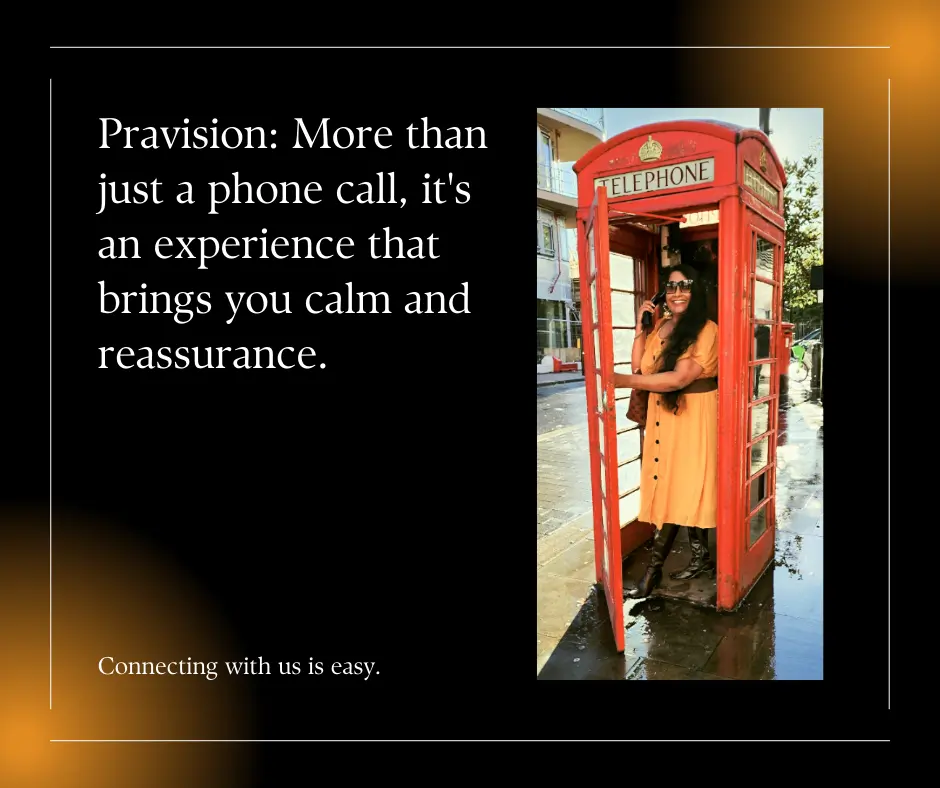
Pravision: More Than a Call. It’s Calm, Reassurance, and Easy Connection.

Have you ever called a business and felt instantly transported to a place of calm? That’s exactly what happens when you dial 925-744-6999 to reach Pravision. Forget jarring hold music and endless transfers; calling Pravision is an experience in itself.

From the moment you hear the soothing meditation music filling your ear, you know this is different. It’s a subtle but powerful cue, gently shifting your mindset from the hustle and bustle of your day to a space of tranquility and focus.

And then, there’s the anticipation. You know you’re not just waiting for any customer service representative. You’re waiting to connect with Praveena Jogi herself, the heart and soul of Pravision.

This personalized touch sets Pravision apart. It speaks volumes about their commitment to individual attention and building genuine relationships with their clients.

But the experience doesn’t end there. When Praveena answers, her warm and empathetic demeanor instantly puts you at ease. You feel heard, understood, and valued. It’s clear that she’s not just there to answer your questions, but to truly connect with you on a human level.

In a world of automated responses and impersonal interactions, calling Pravision is a refreshing reminder of the power of human connection. It’s an experience that leaves you feeling not just satisfied, but truly cared for.

Have you called Pravision? Share your experience in the comments below!

SHARE :
Facebook
Twitter
LinkedIn
Written By

Praveena Jogi

More Articles

SERVE Up Exceptional Customer Experiences: A Winning Formula

SERVE Up Exceptional Customer Experiences: A Winning Formula

In today’s competitive business world, simply meeting customer expectations isn’t enough. To truly stand out and thrive, you need to forge lasting connections that translate into loyalty and growth.

Read more

The Customer Experience Success Formula – Serve Model

The Customer Experience Success Formula – Serve Model

Unlocking the SERVE Model

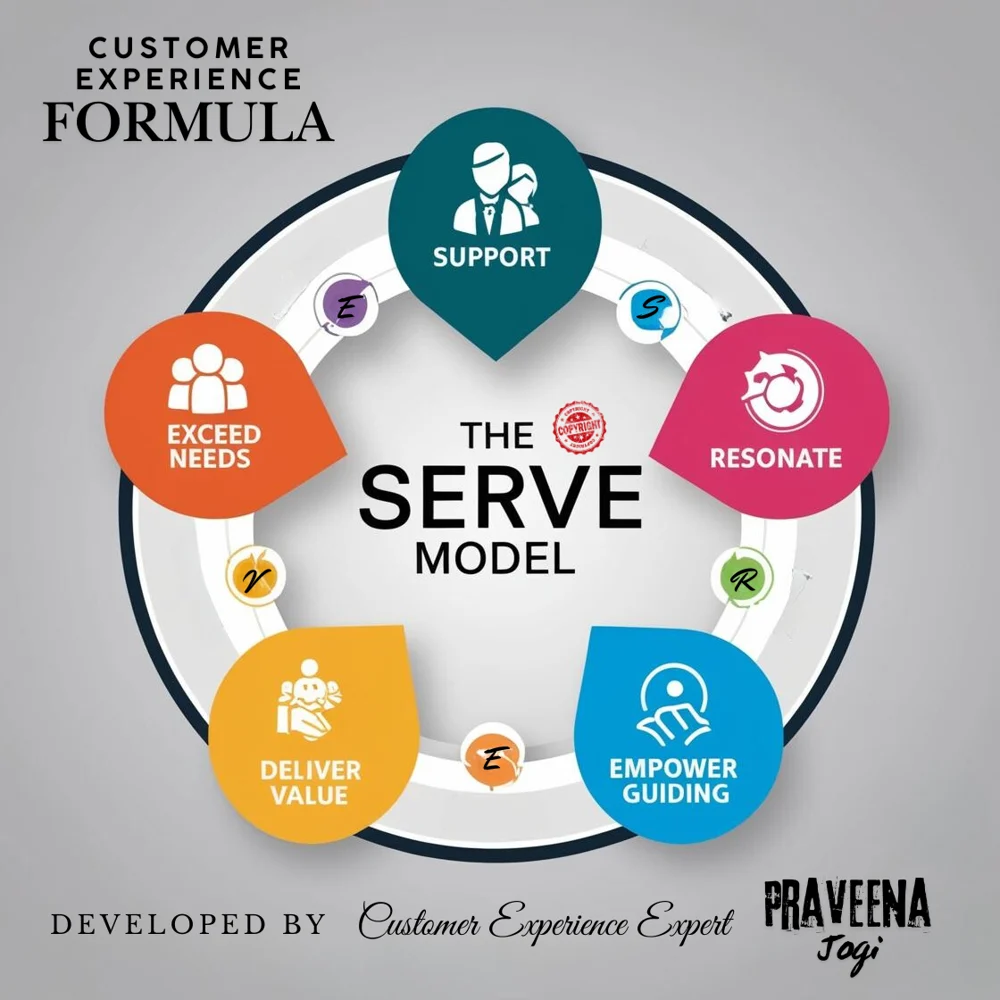
In today’s competitive landscape, simply meeting customer expectations isn’t enough. To truly thrive, businesses need to go above and beyond, forging lasting connections that translate into loyalty and growth. This is where Praveena Jogi’s innovative SERVE formula comes in, offering a powerful framework for achieving customer experience success.

SERVE is more than just a catchy acronym; it’s a philosophy that puts the customer at the heart of every interaction. Let’s break down each element:

S – Support: This is the foundation of any great customer experience. It’s about providing timely, reliable assistance and resolving issues efficiently. But true support goes beyond troubleshooting; it’s about proactively anticipating needs and offering helpful solutions.

E – Exceed Needs: Meeting expectations is a starting point, but exceeding them is what creates a truly memorable experience. This could involve personalized recommendations, exclusive offers, or simply going the extra mile to make a customer feel valued.

R – Resonate: Building rapport and establishing an emotional connection is crucial. Understanding your customers’ values, motivations, and pain points allows you to tailor your interactions and create a sense of genuine empathy.

V – Deliver Value: Every interaction should provide value to the customer, whether it’s through helpful information, efficient service, or a positive emotional experience. This builds trust and reinforces the perception of your brand as a valuable partner.

E – Empower by Guiding: Empowerment is about giving customers the tools and knowledge they need to succeed. This could involve providing clear instructions, offering self-service options, or simply guiding them towards the best solutions for their needs.

Praveena Jogi’s SERVE formula is a holistic approach that encompasses all aspects of the customer journey. By focusing on each of these elements, businesses can create a customer experience that is not only satisfying but truly exceptional.

Here’s how SERVE can benefit your business:

  • Increased customer loyalty: When customers feel valued and supported, they are more likely to remain loyal to your brand.
  • Improved brand reputation: Positive customer experiences lead to positive word-of-mouth marketing and a stronger brand reputation.
  • Increased revenue: Happy customers are more likely to make repeat purchases and recommend your business to others.
  • Reduced customer churn: By addressing customer needs proactively, you can reduce the likelihood of them switching to a competitor.
  • Enhanced employee engagement: When employees are empowered to deliver exceptional service, they are more likely to be engaged and motivated.

Ready to unlock the power of SERVE?

Start by evaluating your current customer experience and identify areas where you can improve. Implement the SERVE principles in your interactions and empower your employees to do the same. By putting the customer at the center of everything you do, you can create a truly winning formula for success.

SHARE :
Facebook
Twitter
LinkedIn
Written By

Praveena Jogi

More Articles

Calling Pravision: An Unexpected Oasis of Calm in a Busy World

Calling Pravision: An Unexpected Oasis of Calm in a Busy World

Have you ever called a business and felt instantly transported to a place of serenity? That’s the magic of dialing 925-744-6999 to reach Pravision.

Forget the usual jarring hold music and frustrating transfers. Calling Pravision is an experience in itself, designed to soothe your soul and make you feel truly valued.

From Stress to Stillness

The moment you hear the gentle meditation music playing softly in your ear, you know this is different. It’s a subtle cue that gently shifts your mindset from the chaos of your day to a space of tranquility and focus.

And then, there’s the delightful anticipation. You’re not just waiting for any customer service representative. You’re about to connect with Praveena Jogi herself, the heart and soul of Pravision.

The Personal Touch that Makes All the Difference

This personalized approach sets Pravision apart. It speaks volumes about their commitment to individual attention and building genuine relationships with their clients.

But the experience doesn’t stop there. When Praveena answers, her warm and empathetic voice instantly puts you at ease. You feel heard, understood, and valued. It’s clear that she’s not just there to answer your questions; she genuinely cares about connecting with you on a human level.

A Refreshing Reminder of Human Connection

In a world of automated responses and impersonal interactions, calling Pravision is a breath of fresh air. It’s a reminder that genuine human connection still matters.

It’s an experience that leaves you feeling not just satisfied, but truly cared for.

Have you called Pravision? Share your experience in the comments below!

SHARE :
Facebook
Twitter
LinkedIn
Written By

Praveena Jogi

More Articles