THE POWER OF “NO” IN CUSTOMER EXPERIENCE: WHY SAYING “YES” TO EVERYTHING CAN HURT

THE POWER OF “NO” IN CUSTOMER EXPERIENCE: WHY SAYING “YES” TO EVERYTHING CAN HURT

As I always say, “Customer Rocks!” In the world of customer experience, we strive to support our customers in every possible way. But sometimes, the best way to support them is by saying “no.”

The Experience Team: Face (and Heart!) of the Company

Before we dive into the art of saying “no,” let’s talk about the incredible people on the front lines: the Experience Team. They are the face, the voice, and yes, even the heart of the company.

Think about it:

  • First point of contact: Whether it’s a new customer with a question or an existing one facing an issue, the Experience Team is often the first – and sometimes only – interaction a customer has with your company.
  • Problem solvers extraordinaire: From simple inquiries to complex technical issues, they handle it all with grace and efficiency.
  • Crisis managers: When things go wrong (and they inevitably do!), the Experience Team is there to calm angry customers, provide solutions, and restore confidence.

So, yes, developers, C-level execs, and sales teams, while your roles are vital, let’s acknowledge the crucial role of the Experience Team. They are the ones who truly connect with customers on a daily basis, building relationships and shaping perceptions of the company.

Now, back to the power of “no.”

Saying “yes” to every customer request might seem like the path to customer satisfaction, but it can actually be detrimental in the long run. Here’s why:

  • Setting unrealistic expectations: Constantly saying “yes” can lead customers to believe that anything is possible, setting them up for disappointment when you inevitably have to say “no” down the line.
  • Straining resources: Agreeing to every request can stretch your team thin and impact your ability to deliver on promises, leading to delays and frustration for everyone.
  • Compromising integrity: Sometimes, a customer request might conflict with your company’s policies, values, or even legal obligations. Saying “yes” in these situations can compromise your integrity and damage your reputation.

When to Say “No” (and How to Say it Gracefully):

It’s important to recognize those situations where saying “no” is the best course of action. Here are a few examples:

  • Feature Requests: If a customer requests a feature that’s not currently in the product or planned for the roadmap, be honest and upfront.
    • Instead of a flat-out “no,” say something like, “That’s a great suggestion! While it’s not currently a feature we offer, I’ve logged your enhancement request so our product team can consider it for future development.”
  • Unreasonable Demands: If a customer makes a demand that is outside the scope of your service or violates your terms and conditions, it’s okay to decline.
    • Politely but firmly explain the situation and offer any reasonable alternatives.
  • Requests that Compromise Security or Privacy: Never agree to a request that could jeopardize the security or privacy of your customers or your company.
    • Explain the importance of these measures and reassure the customer that their data is safe.

So, how do you say “no” effectively?

  • Empathy first: Acknowledge the customer’s request and express understanding for their situation.
  • Explain clearly and honestly: Provide a clear and concise explanation for why you’re unable to fulfill the request. Be transparent and avoid making excuses.
  • Offer alternatives: Whenever possible, suggest alternative solutions or options that might meet the customer’s needs.
  • End on a positive note: Reiterate your commitment to helping the customer and thank them for their understanding.

The Bottom Line:

Saying “no” is not about being difficult or unhelpful. It’s about setting healthy boundaries, managing expectations, and ultimately, providing a better customer experience. By mastering the art of saying “no” effectively, you can strengthen customer relationships, protect your company’s interests, and empower your Experience Team to truly shine.

SHARE :
Facebook
Twitter
LinkedIn
Written By

Praveena Jogi

More Articles

CX, CS, NPS… WHAT DOES IT ALL MEAN?! A GUIDE TO ACRONYMS

CX, CS, NPS… WHAT DOES IT ALL MEAN?! A GUIDE TO ACRONYMS

We throw around terms like “CX” and “NPS” like confetti in the customer experience world. But let’s be honest, sometimes it’s hard to keep them all straight!

Read more

SERVE Up Exceptional Customer Experiences: A Winning Formula

SERVE Up Exceptional Customer Experiences: A Winning Formula

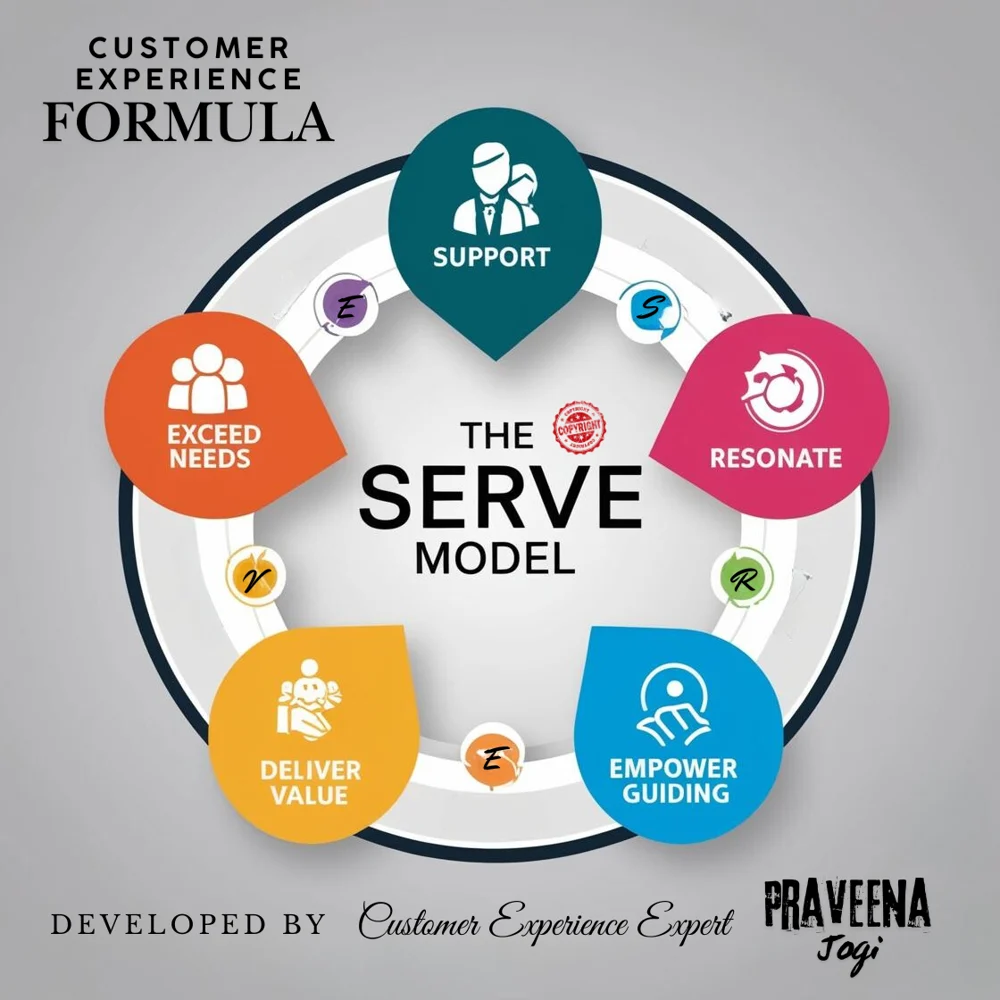
In today’s competitive business world, simply meeting customer expectations isn’t enough. To truly stand out and thrive, you need to forge lasting connections that translate into loyalty and growth.
Read more