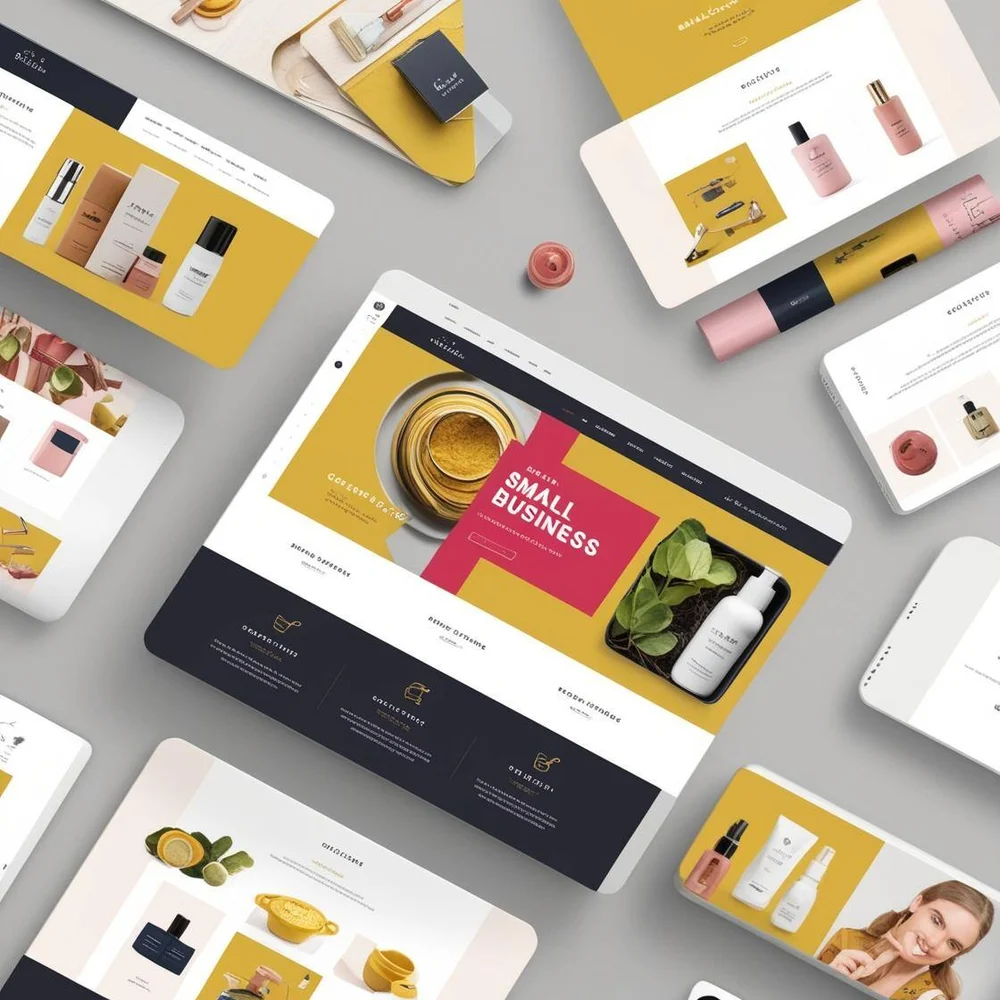

Best way to make a website for small business?
A website isn’t just an online brochure – it’s your storefront, your marketing hub, and your 24/7 customer service representative. For small businesses, a strong online presence is no longer optional, it’s essential for growth and success.
But where do you start? Building a website can feel overwhelming, especially with so many options available. Let’s break it down and explore the best approaches for small businesses:
1. DIY Website Builders: The Easy On-Ramp
- Perfect for: Beginners with limited budgets and simple website needs.
- How they work: Drag-and-drop interfaces, pre-designed templates, and user-friendly tools make it easy to create a basic website without coding knowledge.
- Pros: Affordable, quick setup, hosting often included.
- Cons: Limited customization, may not be suitable for complex functionality or scaling your business.
- Popular choices: Wix, Squarespace, GoDaddy Website Builder.
2. Content Management Systems (CMS): The Flexible Powerhouse
- Perfect for: Businesses wanting more control, scalability, and the ability to add features as they grow.
- How they work: You choose a platform (like WordPress) and customize it with themes and plugins to achieve your desired look and functionality.
- Pros: Highly customizable, excellent for content marketing (blogs, articles), strong community support.
- Cons: Steeper learning curve, may require some technical knowledge or the help of a developer for advanced customization.
- Top recommendation: WordPress (self-hosted)
3. Hiring a Web Designer/Developer: The Bespoke Solution
- Perfect for: Businesses with unique needs, complex functionality, or those who want a truly custom-designed website.
- How it works: You collaborate with a professional who handles all aspects of design and development, from concept to launch.
- Pros: Tailor-made website, professional expertise, ongoing support.
- Cons: The most expensive option, requires finding a reliable and skilled designer/developer.
Making the Right Choice
To determine the best approach for your small business, consider:
- Budget: Website builders are the most budget-friendly, followed by CMS, then hiring a professional.
- Technical skills: Website builders are the easiest, while CMS require some learning and comfort with technology.
- Customization needs: Website builders offer basic customization, CMS offer more flexibility, and a professional provides complete control.
- Essential features: E-commerce, blog, contact forms, online booking, etc.
No matter which path you choose, don’t forget these fundamentals:
- Secure a memorable domain name.
- Choose reliable web hosting.
- Prioritize mobile-friendly design.
- Optimize for search engines (SEO).
- Create high-quality, engaging content.
How Pravision Can Help
We understand the unique challenges small businesses face in building a strong online presence. That’s why we offer a range of services to help you succeed:
- Web Hosting: We provide reliable and secure hosting solutions to ensure your website is always accessible.
- Digital Marketing: Our experts can help you develop a comprehensive digital marketing strategy to drive traffic to your website and generate leads.
- Integration Solutions: We can integrate your website with other business tools and systems to streamline your operations.
- Custom Products: If you need a truly unique website with specific functionality, our development team can create a custom solution tailored to your needs.
Ready to take your small business to the next level with a website that works? Contact Pravision today.
SHARE :
Facebook
Twitter
LinkedIn

Written By
Praveena Jogi